

For generations, women have been at the heart of India’s healthcare system. They have cared for patients in hospital wards, performed life-saving surgeries, managed emergencies, and shaped medical education. Yet despite their immense contribution, the highest leadership positions in many of the country’s premier medical institutions have traditionally remained male-dominated.
That narrative is now changing in a significant way.
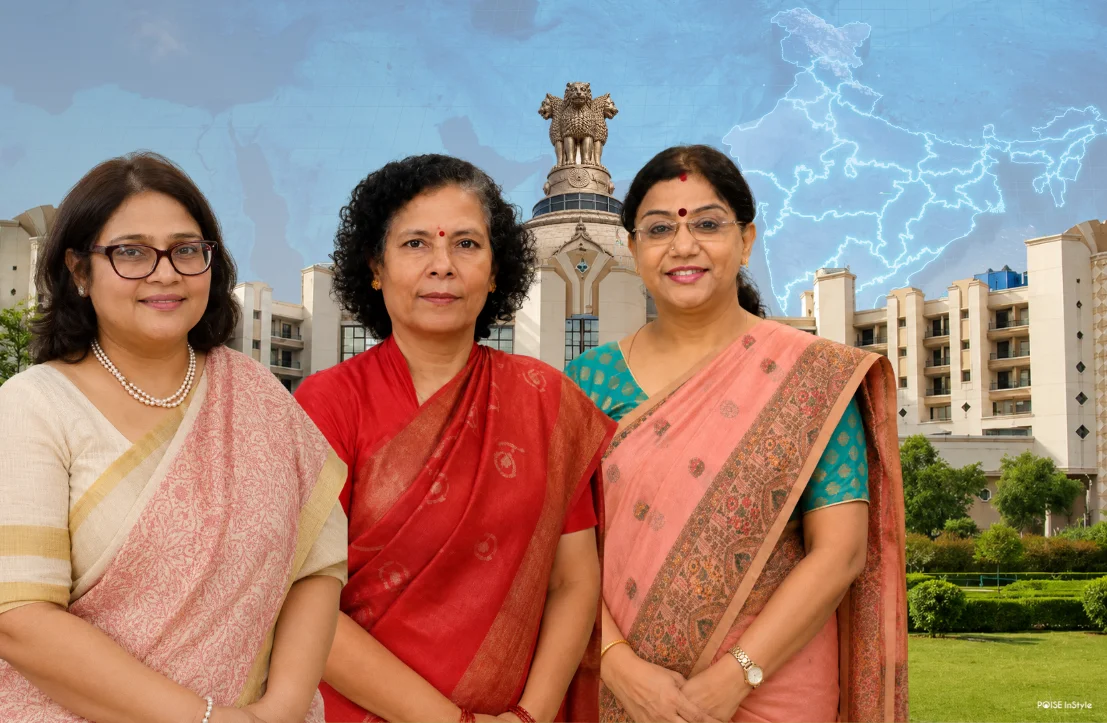
In a landmark moment for Indian healthcare, three major central government hospitals in Delhi are simultaneously being led by women doctors. The appointments mark a historic first for the national capital and signal a broader transformation in how leadership is evolving within India’s medical ecosystem.
The development is more than an administrative milestone. It reflects the growing presence of women in decision-making roles and highlights the progress being made toward greater gender representation in one of the country’s most critical sectors.
A Historic First for Delhi’s Healthcare Institutions
Three distinguished medical professionals now occupy the top leadership positions at some of Delhi’s most prominent government-run healthcare institutions.
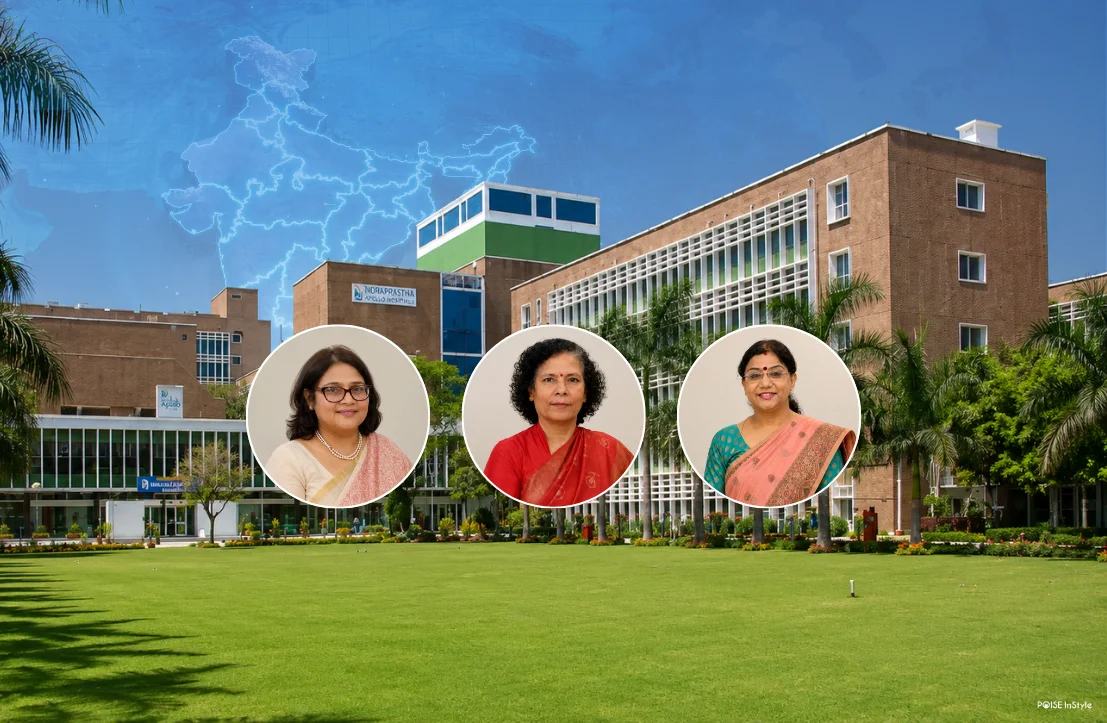
Dr. Akhilandeshwari Prasad is leading the Atal Bihari Vajpayee Institute of Medical Sciencesand Dr. Ram Manohar Lohia Hospital.Dr. Himani Ahluwalia is heading Lady Hardinge Medical College, while Dr. Kavita Rani Sharma has taken charge of Vardhman Mahavir Medical College and Safdarjung Hospital.
This is the first time that women have simultaneously assumed leadership roles across all three major central government medical institutions in Delhi.
Their appointments represent a significant moment in the evolution of healthcare leadership in India, demonstrating how women are increasingly moving into positions where they can influence policy, administration, and institutional development on a large scale.
Leading Institutions That Serve Millions
The significance of this achievement becomes even more apparent when considering the scale and influence of the institutions involved.
Dr. Ram Manohar Lohia Hospital is one of Delhi’s most respected tertiary-care centres and a key teaching institution affiliated with the Atal Bihari Vajpayee Institute of Medical Sciences. The hospital plays a vital role in both healthcare delivery and medical education.
Lady Hardinge Medical College, established in 1916, is among India’s oldest and most prestigious medical institutions. Historically associated with women’s medical education and healthcare, the institution now finds itself under the leadership of a woman at a time when conversations around representation and leadership are gaining greater importance.
Safdarjung Hospital, affiliated with Vardhman Mahavir Medical College, is one of the largest government hospitals in the country. Handling an enormous patient load and serving as a major referral centre for the National Capital Region, it remains one of India’s most significant public healthcare institutions.
Leading hospitals of this magnitude requires a combination of clinical expertise, administrative capability, strategic thinking, and the ability to manage complex healthcare systems that impact millions of lives every year.
From Caregivers to Decision-Makers
The appointments also reflect a broader shift taking place across India’s healthcare landscape.
For decades, women have been heavily represented in healthcare professions. They have excelled as doctors, nurses, specialists, researchers, and educators. However, representation within the workforce did not always translate into representation at the leadership level.
While women have long contributed to patient care, relatively few reached the highest decision-making positions within large medical institutions.
Today, that dynamic is beginning to change.
The simultaneous appointment of three women directors demonstrates how leadership opportunities are increasingly opening up to highly qualified female professionals. It signals a move from participation to influence- from being part of the system to helping shape it.
Why Representation in Leadership Matters
The presence of women in leadership positions extends beyond symbolism. It has practical implications for how institutions function, how policies are shaped, and how workplace cultures evolve.
Leadership teams that include diverse perspectives are often better equipped to understand the needs of varied patient populations and healthcare professionals. Women leaders can contribute valuable insights on issues such as maternal healthcare, workplace equity, employee welfare, and patient-centred care.
Equally important is the impact on future generations.
Thousands of young women enter medical colleges across India each year. Seeing women lead some of the country’s largest healthcare institutions provides visible examples of what is possible and helps expand aspirations beyond clinical practice into administration, policy, and executive leadership.
Representation creates possibility, and possibility inspires progress.
The Challenges Women Continue to Face
While this moment deserves celebration, it also highlights the challenges many women continue to face on the path to leadership.
Healthcare leadership demands long hours, intense responsibility, and constant decision-making. Women often navigate these pressures while also managing societal expectations around caregiving and family responsibilities.
Other barriers, including unconscious bias, limited mentorship opportunities, and traditional leadership structures, have historically slowed career progression for many talented female professionals.
The appointments of Dr. Prasad, Dr. Ahluwalia, and Dr. Sharma demonstrate that these barriers can be overcome, but they also underscore the importance of creating more inclusive systems that support women throughout their professional journeys.
A Reflection of India’s Changing Medical Landscape
The rise of women leaders in healthcare mirrors broader changes taking place across India’s medical sector.
Female participation in medical education has increased significantly over the years, with women now accounting for a substantial share of medical students in many institutions. Across specialties, women are contributing to advancements in research, education, patient care, and clinical innovation.
As more women enter the profession and gain experience, leadership pipelines are naturally becoming more diverse.
The appointments in Delhi are therefore not isolated incidents but indicators of a larger shift that is gradually reshaping the future of healthcare administration in India.
A Milestone That Signals Progress
The simultaneous leadership of Delhi’s three major central government hospitals by women doctors represents more than a historic first. It reflects changing attitudes toward leadership, merit, and representation within one of India’s most important public sectors.
Dr. Akhilandeshwari Prasad, Dr. Himani Ahluwalia, and Dr. Kavita Rani Sharma are now leading institutions that collectively serve millions of patients while shaping the future of medical education and healthcare delivery in the country.
Their appointments mark a powerful step forward for Indian healthcare and send a clear message that leadership is increasingly being defined by capability, expertise, and vision rather than convention.
As these leaders guide some of the nation’s most influential medical institutions, their impact will extend far beyond hospital campuses, helping shape a more inclusive and progressive future for healthcare in India.

