

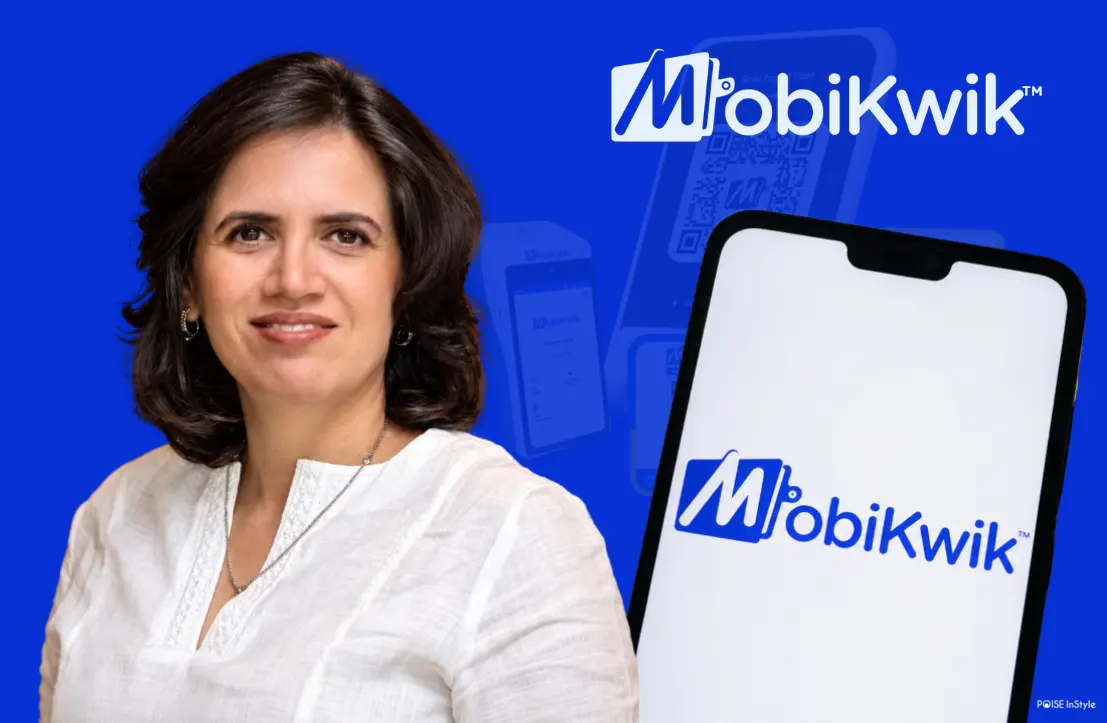
One has to ask what it takes to forgo a Silicon Valley career and put down roots in a market like India, where digital payments are only now being fully adopted. In Upasana Taku’s case, it has been a matter of persistence, of having to work around gender bias and steer a business through the many changes in the country’s payments sector.
Taku made the move back from the United States in 2008 after her time at PayPal. The following year she and Bipin Preet Singh co-founded MobiKwik. It was an early day for India’s digital-payments market then. What they put in place as a means for online mobile recharges would, over time, become something much more in the way of a full-fledged financial services operation.
There is no question that Taku’s story is worth examining for those with an interest in women-led enterprises or the ins and outs of startup life in India. It gives some insight into the long road from an initial concept to a company in the public eye.
From PayPal to Building MobiKwik in India
When Taku returned to India there was plenty of room for digital payments to take off. MobiKwik’s 2009 launch was fairly simple in its service offering. But the company did not stay confined to one use case. As digital transactions became part of the everyday routine for consumers and merchants alike, so too did the scope of the business, adding UPI, bill payments, digital wallets and other financial services to the mix.
It was a natural evolution for a company whose founder had come from an established U.S. payments firm. For Taku, setting up shop in India meant getting to grips with the practicalities of a developing market and a customer base in flux.
Navigating Gender Bias and Startup Fundraising Challenges
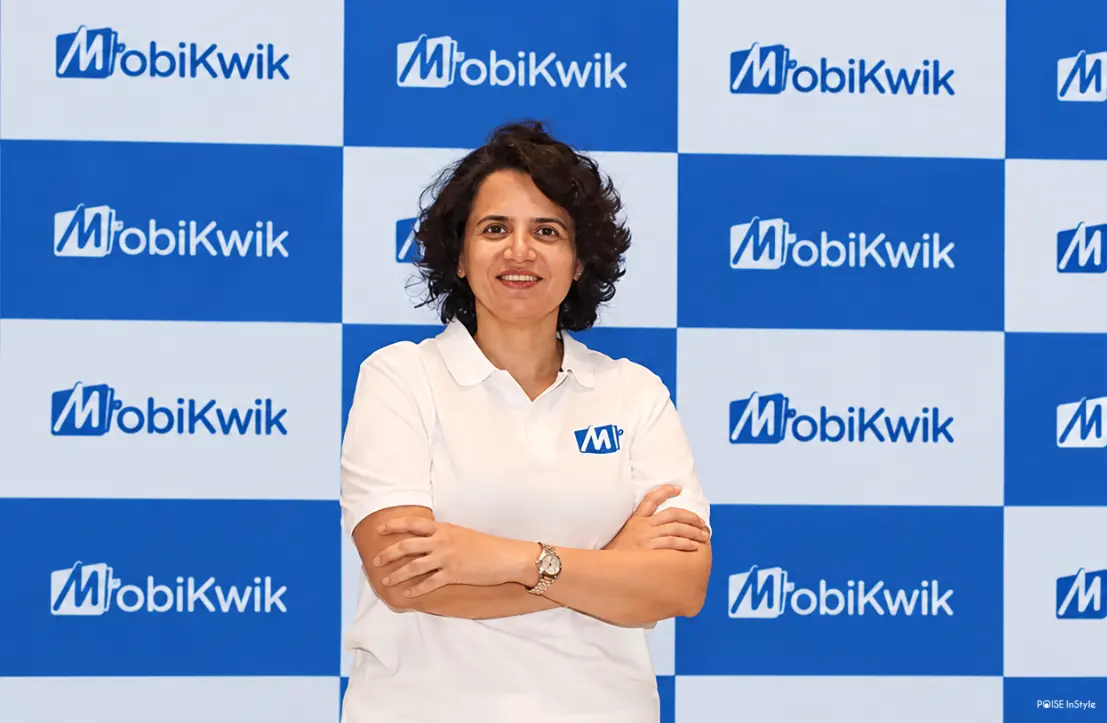
The first few years were not easy. Taku is open about the limitations of resources and the trouble of putting together capital. Then there was the matter of gender bias. On occasion she found investors and bankers posing their financial queries to her male co-founder instead of to her.
It is a reminder that for a woman in the room, credibility does not always come without having to make it known. These were just part of the job of building MobiKwik. One could say her experience underlines the fact that a startup is more than a product; it is about the operational decisions and the relationships with investors that determine where a company is going.
MobiKwik’s ₹572 Crore IPO: From Startup to Stock Market
All of this culminated in December 2024 with the company’s listing. The IPO brought in ₹572 crore and put MobiKwik in the public markets.
The numbers that have followed tell their own story. In the first quarter of FY27, the company put forward a consolidated net profit of ₹7.61 crore, making it three quarters in a row of profitability. There are 193 million registered users now.
Those are two ways of measuring the business, and they show how far MobiKwik has come from its origins as a recharge platform to a listed fintech with a large merchant and consumer following. For a firm with such a wide array of payment and financial services, keeping the books in the black while serving that many users is key to its ongoing narrative.
Why Upasana Taku’s Entrepreneurial Journey Matters
To call Taku’s passage from PayPal to a public listing an untroubled success would be misleading. It is the account of a company built over time, of surmounting obstacles to reach a corporate milestone.
For a woman thinking of becoming an entrepreneur, her path shows what one might face in terms of leadership and fundraising. And for anyone tracking India’s fintech space, MobiKwik is a case study in how a business can expand well beyond its original remit.
The results of the Q1 FY27 and the IPO are measurable proof of the journey. But the substance of it is in the years of work between Taku’s return from the U.S. in 2009 and the present day. The lesson is plain enough: you have to keep adapting and executing, long after you have entered the market with an idea.

