

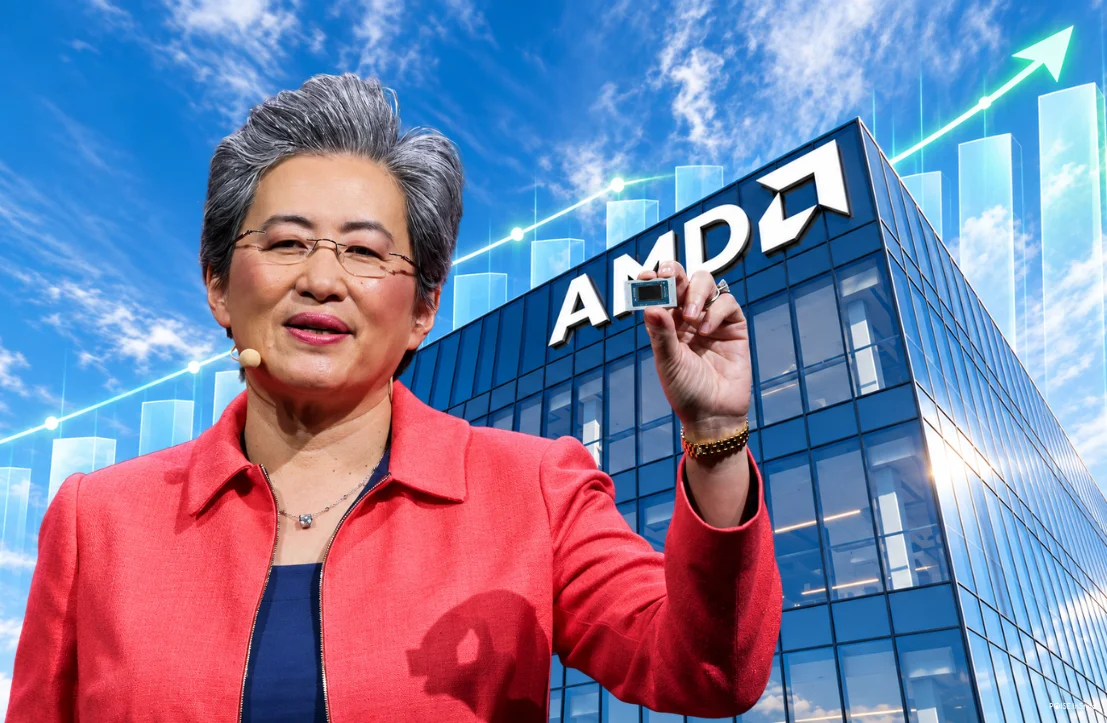
Under the stewardship of CEO Lisa Su, AMD has made the unlikely leap from a hard-pressed chipmaker to a trillion-dollar enterprise. It is a transformation that speaks to a decade of leadership and an ever more prominent part in the contest to supply the hardware for artificial intelligence.
The company put that on display on 21 September 2026 when its market valuation briefly topped $1 trillion, making it the first firm with a woman at the helm to do so. The value has since receded, but the episode was a fitting testament to how much has changed since Su assumed control in 2014. For the semiconductor world, it is also a case study in how the appetite for AI computing is reordering the fortunes of those who make the chips.
How Lisa Su Turned AMD into an AI Chipmaking Powerhouse
When Su came on board in 2012 and was named CEO two years later, AMD had its work cut out for it. She set about turning things around by sharpening product execution and making the company’s processors and graphics chips more competitive.
In the years that followed, AMD has built up its hand in data-centre computing and AI accelerators, well placed to profit from the infrastructure requirements of AI systems. That puts the company in the company of the most valuable chipmakers in the world. The trillion-dollar mark may have been fleeting, but it shows the distance covered under Su.
AI Demand Drives AMD’s Next Phase of Growth
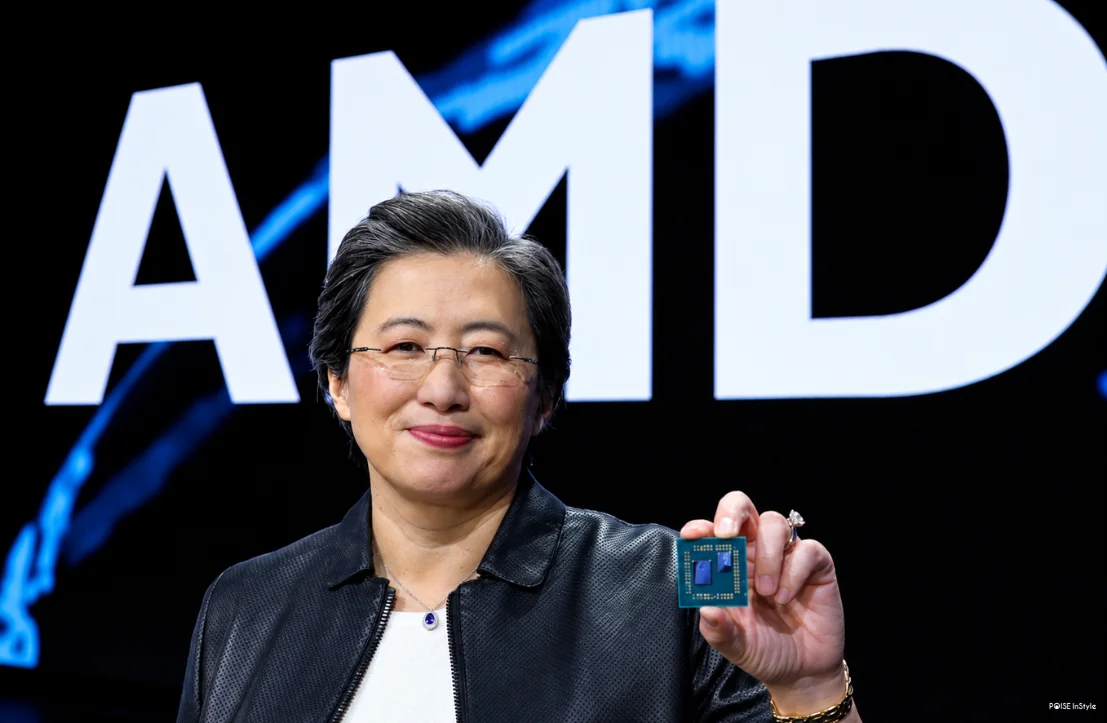
Going forward, AMD’s growth will be dictated by how well it can answer the call for AI computing hardware. Su made that clear during a trip to Taiwan earlier in the week: AMD intends to put significantly more chips on the market in 2027. To that end, the company is in talks with suppliers to ramp up capacity for both CPUs and GPUs.
“Demand is strong and we could use more supply,” Su noted, pointing to the openings for chipmakers as companies put money into AI.
Yet one cannot rely on demand alone. There is a need to scale manufacturing and contend with a market where the want for AI processors is running ahead of what is available.
Can AMD Sustain Its Trillion-Dollar Momentum?
There is more to AMD’s $1 trillion moment than a number on the ledger; it reflects the confidence investors have in the company as AI takes centre stage in the business. The rest of the technology sector will be watching to see if AMD can convert that demand into lasting sales.
For Su, the task now is to take the engineering prowess and AI aspirations of the firm and put them to work on a large scale. The trillion-dollar figure has been achieved. Keeping the momentum going is the real test.

