

A Fresh Shift in How India Consumes Protein
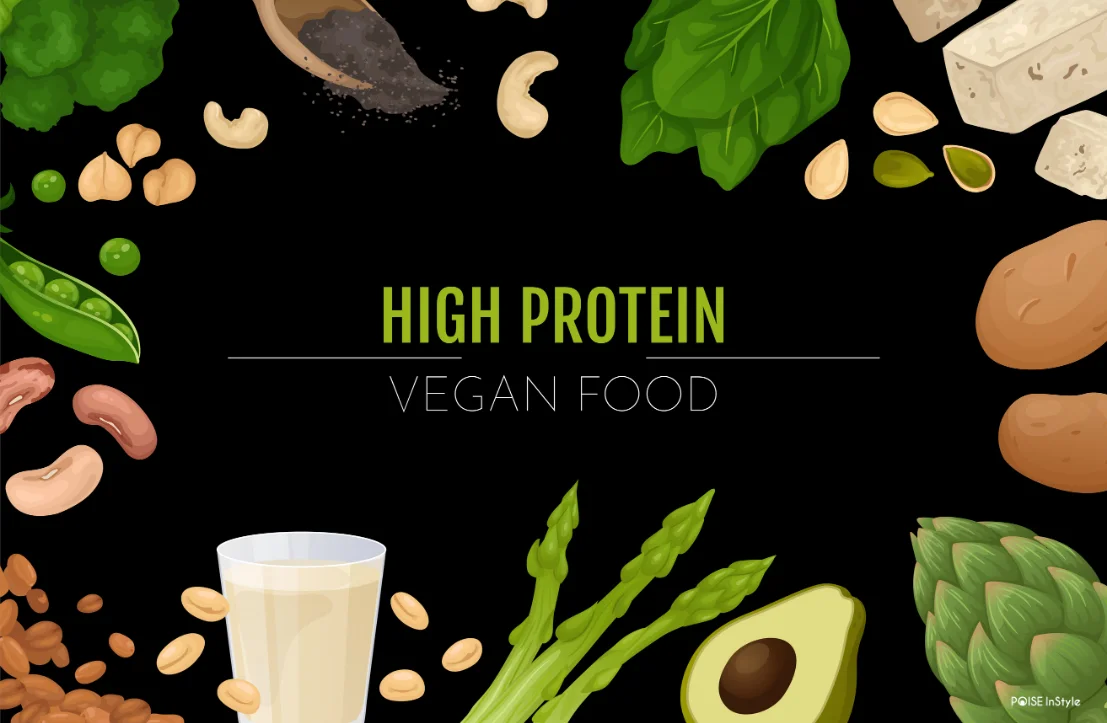
There’s a quiet but powerful shift happening across India’s food landscape. Protein, once associated almost exclusively with gym culture and whey supplements, is being reimagined through a more mindful, inclusive lens. Today, plant-based protein is no longer a niche– it’s becoming a lifestyle choice shaped by health awareness, sustainability concerns, and evolving dietary habits.
India’s plant-based food market has already crossed the $1.5 billion mark and continues to grow rapidly. But beyond the numbers, the real story lies in how these new-age brands are reshaping everyday consumption. From smoothies and shakes to rotis and traditional meals, protein is being seamlessly woven into daily diets, making nutrition both accessible and culturally relevant.
From Supplements to Everyday Nutrition
For years, protein powders were seen as intimidating, often limited to fitness enthusiasts and bodybuilders. The bulky jars, artificial flavors, and digestive issues created a barrier for many consumers. But the new wave of plant protein brands is changing that perception.
Instead of positioning themselves as fitness supplements, these brands are becoming part of everyday nutrition. They are designed for busy professionals, parents, and even those simply looking to eat better. The focus has shifted from “bulking up” to “feeling good,” making protein consumption more holistic and less intimidating.
What makes this transformation unique is its strong connection to Indian eating habits. Rather than replacing traditional foods, these brands are enhancing them– allowing consumers to upgrade their diets without abandoning familiarity.
Pachamama Protein: Blending Global Nutrition with Local Roots
Among the emerging players, Pachamama Protein has carved a niche for itself by combining global superfoods with Indian ingredients. Its blends often include quinoa, chia seeds, and ragi, offering a complete amino acid profile while staying rooted in natural nutrition.
The brand’s emphasis on gut-friendly formulations addresses one of the most common concerns with protein supplements– digestive discomfort. At the same time, its sustainable packaging and ethical sourcing reflect a growing demand for environmentally responsible products.
This balance of performance and purpose is what makes Pachamama stand out in an increasingly competitive market.
Milld Protein Atta: Reinventing the Indian Kitchen
If there’s one product that truly captures the spirit of India’s plant protein revolution, it’s protein-enriched atta. Brands like Milld are taking something as simple as wheat flour and transforming it into a high-protein staple by adding pea and mung bean isolates.
This innovation is particularly significant because it integrates nutrition into daily life without requiring drastic dietary changes. Rotis remain rotis—but with added health benefits.
For families transitioning toward healthier eating habits, this approach feels natural and sustainable. It reflects a broader trend where convenience meets nutrition, making better choices easier to adopt.
The Clean Source: Simplicity as Strength
In a world filled with complex ingredient lists and bold marketing claims, The Clean Source takes a refreshingly simple approach. Its products focus on single-ingredient protein isolates like pea and brown rice, appealing to consumers who value transparency.
There are no artificial flavors or unnecessary additives– just clean, functional nutrition. This minimalist philosophy resonates strongly with a growing segment of consumers who are becoming more mindful of what they consume.
It’s not just about what’s included, but also what’s left out.
The Good Kind Foods: Making Healthy Taste Better
Taste has always been one of the biggest challenges in the plant protein category. While consumers are increasingly health-conscious, they are not willing to compromise on flavor.
This is where The Good Kind Foods is making an impact. By introducing familiar Indian flavors like mango lassi and masala chai into protein blends, the brand is turning a functional product into something enjoyable.
This approach bridges the gap between nutrition and indulgence, making it easier for consumers to stick to healthier habits without feeling restricted.
Origin Protein: Tradition Meets Modern Nutrition
India’s rich culinary heritage plays a significant role in shaping modern food trends, and Origin Protein taps into this beautifully. By using ingredients like chickpeas, lentils, and soy, the brand creates products that feel both innovative and familiar.
What sets it apart is the inclusion of Ayurvedic elements such as ashwagandha, adding a layer of holistic wellness to its offerings. This fusion of ancient wisdom and modern science reflects a broader movement in India’s wellness industry.
For many consumers, it’s not just about nutrition– it’s about balance and long-term well-being.
Plant Power Fit: Performance Without Compromise
As plant-based diets gain popularity, there’s also a growing demand for high-performance nutrition. Plant Power Fit addresses this need by offering blends enriched with essential amino acids and muscle-supporting nutrients.
These products are designed to match the effectiveness of traditional whey protein, challenging the perception that plant-based options are less powerful. For athletes and fitness enthusiasts, this is a crucial shift.
It reinforces the idea that sustainability and performance can coexist.
Hello Tempayy: Expanding the Definition of Protein
While powders and shakes dominate the market, brands like Hello Tempayy are introducing consumers to whole-food protein alternatives. Tempeh, a fermented soy product, is gaining popularity for its high protein content and probiotic benefits.
Its versatility makes it easy to incorporate into Indian dishes, from curries to stir-fries. This not only diversifies protein sources but also encourages more balanced and wholesome eating habits.
By moving beyond supplements, Hello Tempayy is helping redefine what plant-based protein looks like in everyday life.
Why These Brands Are Resonating with Consumers
The success of these brands is closely tied to changing consumer behavior. Today’s buyers are more informed, more curious, and more intentional in their choices. They are looking for products that align with their values– whether it’s health, sustainability, or ethical sourcing.
Digital platforms have played a significant role in amplifying this shift. Social media, especially Instagram, has become a powerful discovery tool, allowing brands to connect directly with their audience.
Through engaging content, recipes, and storytelling, these companies are building communities rather than just selling products.
Challenges and the Road Ahead
Despite its rapid growth, the plant protein market in India still faces challenges. Awareness is still developing, particularly in smaller cities. Pricing can also be a barrier for some consumers, as premium products may not always be accessible.
Additionally, issues like shelf life and storage conditions in India’s diverse climate require careful consideration. However, as technology advances and production scales, these challenges are likely to be addressed.
The Future of Plant-Based Nutrition in India
The future of plant protein in India looks promising. With increasing awareness around health and sustainability, more consumers are expected to adopt plant-based options in the coming years.
As the market evolves, we can expect greater innovation, improved affordability, and wider accessibility. Larger companies may also enter the space, further accelerating growth and competition.
Conclusion: More Than Just a Trend
India’s plant protein movement is not just about food– it’s about a shift in mindset. It reflects a growing awareness of how our choices impact our health, the environment, and the world around us.
These new-age brands are not just creating products; they are shaping a culture of conscious consumption. And as this movement continues to grow, it is set to redefine how India eats, lives, and thinks about nutrition.

