

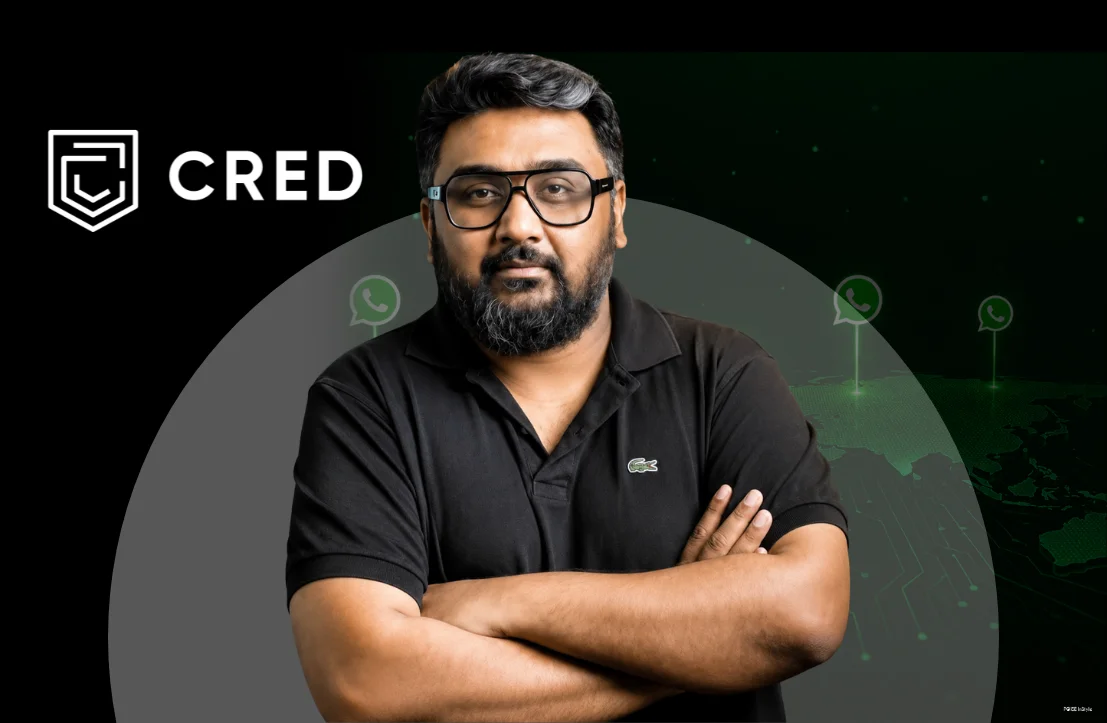
A Leadership Transition That Signals a New Era
Leadership transitions often mark defining moments in a company’s journey. In the startup and technology ecosystem, these changes represent far more than a new title or reporting structure. They often signal a shift in vision, strategic priorities, and long-term ambitions.
One such significant moment has arrived for India’s fintech industry.
In a development that has captured attention across the global technology and business landscape, Kunal Shah, founder of CRED, has stepped down as Chief Executive Officer of the fintech unicorn to take on a new role as Global CEO of WhatsApp under Meta. The move marks the conclusion of one chapter for one of India’s most influential entrepreneurs and the beginning of another on one of the world’s largest technology platforms.
Simultaneously, Miten Sampat has been appointed as the new CEO of CRED, taking charge of guiding the company through its next phase of growth while preparing it for a potential future public listing.
More than a leadership reshuffle, this transition highlights the growing influence of Indian entrepreneurs on the global stage and reflects the increasing maturity of India’s startup ecosystem.
The Visionary Behind CRED’s Growth
When Kunal Shah launched CRED in 2018, many viewed the concept as unconventional. The platform focused on rewarding individuals with strong credit scores, creating an exclusive ecosystem built around trust, financial discipline, and premium consumer experiences.
What initially appeared to be a niche idea soon evolved into one of India’s most recognizable fintech brands.
Under Shah’s leadership, CRED expanded beyond credit card bill payments into areas such as lending, commerce, wealth management, and broader financial services. At the same time, the company built a distinctive brand identity that resonated strongly with urban consumers.
CRED became known not only for its financial products but also for its unconventional marketing strategies, premium positioning, and ability to create deep customer engagement. Over the years, Shah established himself as one of India’s most respected startup founders, recognized for his ability to anticipate consumer behavior shifts and challenge traditional business thinking.
His move to Meta reflects the growing global recognition of his strategic vision, product expertise, and entrepreneurial mindset.
A New Challenge at WhatsApp
As one of the world’s most widely used communication platforms, WhatsApp connects billions of users across countries, cultures, and industries.
In his new role as Global CEO under Meta, Kunal Shah is expected to focus on accelerating WhatsApp’s growth, strengthening its product strategy, and driving future expansion initiatives.
The appointment places an Indian entrepreneur at the helm of one of the most influential digital platforms in the world.
It also reflects a broader trend of Indian leaders taking on increasingly significant roles in global technology companies. From enterprise software and cloud computing to consumer technology and artificial intelligence, Indian-origin executives are helping shape products and experiences used by millions worldwide.
For Shah, this transition presents an opportunity to bring his entrepreneurial thinking to a platform that sits at the center of global digital communication. His experience in building communities, understanding user behavior, and creating ecosystem-driven businesses could play a key role in WhatsApp’s next phase of innovation and growth.
What Lies Ahead for CRED
Leadership succession is often considered one of the most important tests of any organization’s long-term strength.
A company’s ability to maintain momentum beyond its founder often determines whether it can evolve into a lasting institution.
With Miten Sampat stepping into the CEO role, CRED appears to be signaling both continuity and readiness for its next growth phase. Sampat inherits a company that has already established itself as a major force within India’s fintech ecosystem.
His focus is expected to include expanding CRED’s financial services portfolio, strengthening operational capabilities, and driving sustainable business growth. As the company continues to diversify its offerings, execution excellence and long-term profitability are likely to become key priorities.
Industry observers also believe Sampat will play a crucial role in preparing CRED for a future IPO, which could represent another major milestone in the company’s journey.
While founders often define a startup’s identity, professional leadership teams are frequently responsible for transforming successful ventures into enduring enterprises. Sampat’s appointment therefore represents not just a replacement but an important stage in CRED’s evolution.

Why Leadership Transitions Matter
The departure of a founder from the CEO position often raises questions about continuity, culture, and future direction.
However, history has repeatedly shown that successful organizations are built on their ability to evolve.
Leadership transitions create opportunities to introduce fresh perspectives, strengthen institutional capabilities, and align businesses with future priorities. For founders, moving into larger roles can unlock new opportunities while allowing the companies they created to mature independently.
Many of the world’s most successful organizations have experienced multiple leadership transitions without losing their core identity. What distinguishes these companies is their ability to build systems, culture, and processes that extend beyond any one individual.
CRED’s transition appears to reflect that same philosophy. Rather than signaling uncertainty, it demonstrates confidence in the company’s ability to continue growing under new leadership.
India’s Growing Influence on Global Technology
Kunal Shah’s appointment is also part of a much larger story unfolding across the global technology industry.
Over the past decade, India’s startup ecosystem has evolved dramatically. Entrepreneurs who once focused primarily on domestic opportunities are now influencing conversations around innovation, digital transformation, and technology leadership worldwide.
Indian-origin leaders have already played transformative roles across sectors including enterprise software, cloud computing, artificial intelligence, and consumer internet businesses.
Shah’s elevation to a top leadership position at WhatsApp further reinforces the growing recognition of Indian entrepreneurial talent on the world stage. It demonstrates how experiences gained while building businesses in one of the world’s most dynamic digital markets can translate into valuable insights for global technology companies.
The line between local and global leadership is becoming increasingly blurred, and Indian entrepreneurs are playing a larger role in shaping that future.
Building Institutions Beyond Founders
One of the defining characteristics of enduring organizations is their ability to thrive beyond their founders.
Great leaders do not simply build successful companies– they build institutions capable of evolving across generations.
By stepping away from operational leadership at CRED, Kunal Shah is effectively testing the strength of the systems, culture, and vision he helped establish. At the same time, Miten Sampat’s appointment reflects confidence in the next generation of leadership.
Such transitions require trust, clarity, and alignment around long-term goals. While the process is rarely simple, successful leadership succession often creates opportunities for greater resilience, innovation, and growth.
For CRED, this transition is an opportunity to prove that its success extends beyond a single individual. For WhatsApp, it provides access to a leader known for his unconventional thinking and ability to reimagine consumer experiences.
A Defining Moment for Two Companies
Leadership changes often become turning points in a company’s history.
For WhatsApp, Kunal Shah’s arrival could bring fresh thinking around growth, innovation, and product development. For CRED, Miten Sampat’s appointment signals the beginning of a new chapter focused on scale, operational excellence, and long-term value creation.
More broadly, this transition serves as a reminder that leadership is not about holding positions indefinitely. It is about recognizing when organizations need new energy, different capabilities, and fresh perspectives.
As one of India’s most celebrated entrepreneurs embarks on a global leadership journey and a new executive takes charge of one of the country’s most recognized fintech companies, this story is no longer simply about succession.
It is about evolution.
And sometimes, the strongest demonstration of leadership is knowing when to pass the baton and begin writing a new chapter.

