

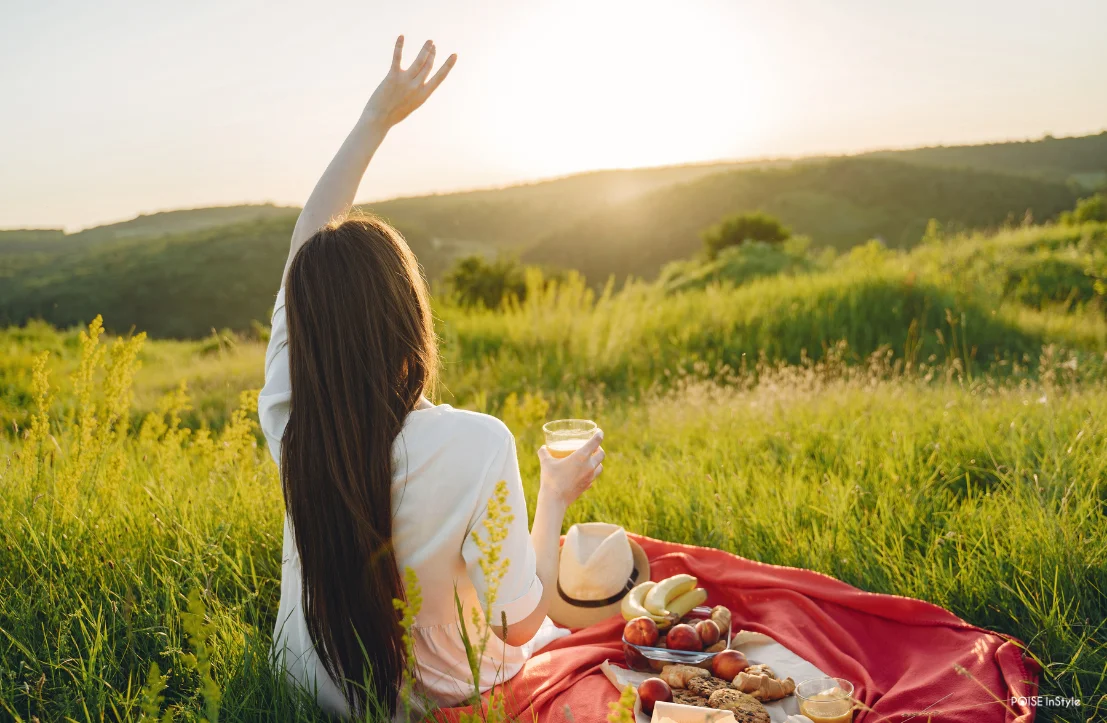
A Refreshing Way to Reconnect, Create, and Slow Down
Weekends often feel like a pause button but not always the kind we truly need. Between unfinished tasks, social plans, and endless scrolling, the chance to genuinely recharge can slip away. For nature lovers, however, weekends hold a different kind of potential. They can become a space where creativity meets calm, where the outdoors is not just a setting but a source of inspiration.
Outdoor creative activities are more than hobbies. They are experiences that invite you to slow down, observe deeply, and express freely. Whether you are walking through a quiet trail, sitting near a lake, or simply stepping into your balcony garden, these moments can turn into something meaningful. They allow you to step away from routine and step into presence.
Why Creativity Feels More Natural Outdoors
There is a reason creativity flows differently when you are outside. Nature removes the pressure to perform. There are no deadlines, no expectations, and no perfect outcomes to chase. Instead, there is space– space to think, to notice, and to simply be.
The rhythm of the outdoors naturally calms the mind. The sound of birds, the movement of leaves, and the warmth of sunlight create an environment that gently encourages focus without force. This makes outdoor creativity feel effortless. You are not trying too hard; you are responding to what surrounds you.
For women balancing work, responsibilities, and emotional load, this shift can be incredibly grounding. It creates a moment where creativity becomes restorative rather than demanding.
Sketching and Journaling: Capturing the Moment
One of the simplest ways to engage creatively with nature is through sketching and journaling. You do not need to be an artist or a writer to begin. All it takes is a notebook and a willingness to observe.
Find a quiet spot under a tree, near a water body, or even a peaceful park bench. Sit for a few minutes before you start. Let your surroundings settle into your awareness. Notice the colors, the textures, and the subtle movements.
When you begin sketching, keep it light and intuitive. A rough outline of a tree, a horizon line, or the shape of clouds is enough. The goal is not perfection but connection. Each line becomes a way of seeing more closely.
Journaling alongside sketching deepens the experience. Write about what you feel, not just what you see. The scent of the air, the warmth of the sun, or the quietness of the moment– all of it becomes part of your creative expression. Over time, these pages turn into a personal record of your relationship with nature.
Creating Art from Natural Elements
Nature offers an abundance of materials if you look closely. Fallen leaves, small stones, twigs, and petals can all become part of your creative process. What makes this form of art special is its temporary nature– it exists in the moment and then fades, just like the experience itself.
Arranging leaves and stones into patterns or simple designs can feel almost meditative. You are not creating for display; you are creating for the experience. The process becomes calming, repetitive, and deeply satisfying.
Pressed flowers are another beautiful way to extend the life of a moment. Collecting fallen petals and preserving them allows you to carry a piece of nature back home. Later, they can be used in journals, bookmarks, or framed pieces that hold both beauty and memory.
Even small acts like planting seeds or nurturing a plant can feel creative. Watching something grow over time connects you to a slower rhythm, one that contrasts beautifully with the fast pace of daily life.
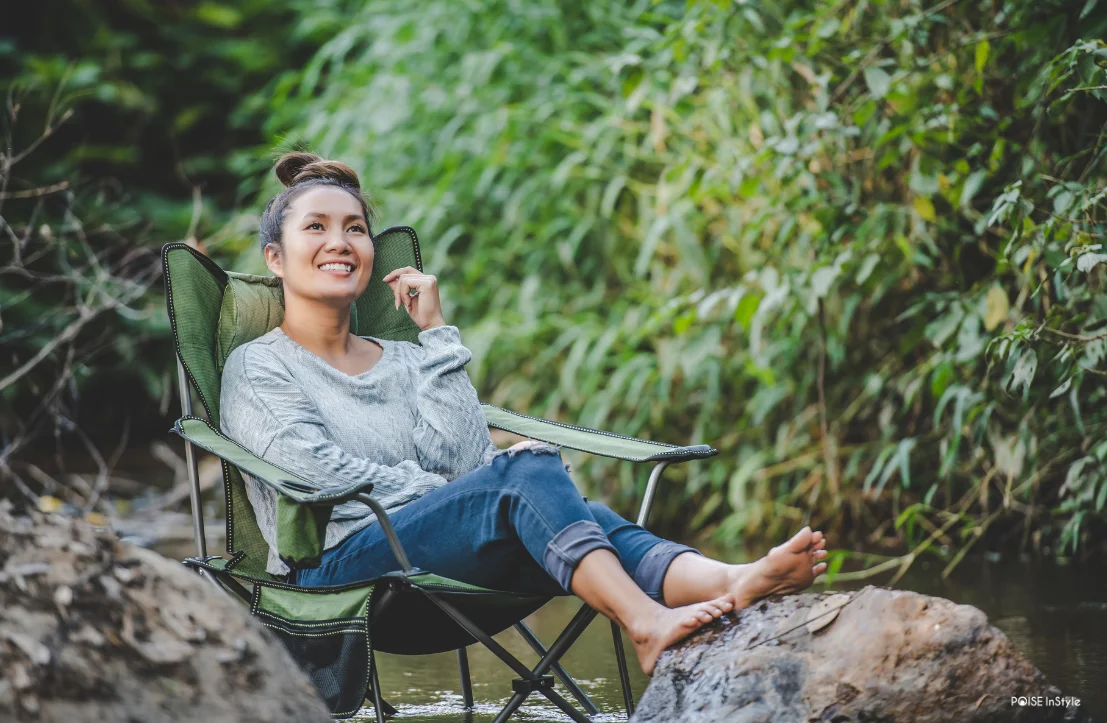
Photography: Learning to See Differently
Photography transforms a simple walk into a focused creative exercise. Instead of capturing everything, choose a theme for your outing. It could be light, shadows, textures, or even a single color.
This intentional focus changes how you see. You begin to notice details that usually go unnoticed– the pattern of bark on a tree, reflections in water, or the way sunlight filters through leaves. Each photo becomes less about documentation and more about perspective.
Later, these images can be arranged into a small collection or visual story. They become reminders of how you experienced a place, not just what it looked like.
Movement as Creative Expression
Creativity is not always about making something tangible. Sometimes, it is about how you move and feel in a space. The outdoors provides the perfect setting for this kind of expression.
A quiet field, a beach, or a garden can become a space for free movement. Whether it is slow stretching, mindful walking, or intuitive dancing, your body begins to respond to the environment around you.
This form of creativity is deeply liberating. It removes the need for structure and allows you to express without judgment. It also helps release stress and reconnect you with your physical self in a gentle, natural way.
Exploring Sound and Sensory Awareness
Another layer of outdoor creativity lies in sound. Nature is full of subtle audio textures that often go unnoticed in busy environments. Taking time to listen to birds, wind, or distant water can become a creative act in itself.
Recording these sounds or simply sitting quietly and absorbing them can shift your awareness. It becomes less about doing and more about experiencing. This sensory engagement adds depth to your time outdoors, making it feel richer and more immersive.
Turning Weekends into Meaningful Rituals
What makes these activities truly impactful is consistency. You do not need to plan elaborate outings every weekend. Even a short, intentional session outdoors can make a difference.
It could be a Sunday morning spent journaling in a nearby park or a Saturday evening walk with a focus on photography. Over time, these small rituals become something you look forward to. They create a sense of rhythm and balance in your week.
Instead of weekends feeling rushed or unproductive, they begin to feel nourishing. You return to your routine not just rested, but inspired.
Why Outdoor Creativity Matters Today
In a world that constantly demands attention, outdoor creative activities offer a rare opportunity to disconnect and reconnect at the same time. They allow you to step away from screens while stepping deeper into your own thoughts and creativity.
For women managing multiple roles, these moments are more than leisure. They are a form of self-care that feels purposeful and fulfilling. They remind you that creativity does not need perfect conditions– it thrives in simplicity.
More importantly, they help you build a relationship with nature that goes beyond observation. You become part of the environment, interacting with it, learning from it, and finding inspiration in its rhythms.
Creating a Weekend That Feels Like You
Outdoor creative weekends are not about achieving something impressive. They are about experiencing something meaningful. They invite you to slow down, notice more, and engage with the world in a way that feels authentic.
Over time, these moments build into something lasting– a collection of sketches, notes, photos, and memories that reflect your journey. They become small reminders that creativity is always within reach, waiting in the simplest of places.
In the end, the goal is not to create perfect art. It is to create space for yourself, your thoughts, and your connection to the world around you. And sometimes, that is the most beautiful creation of all.

