

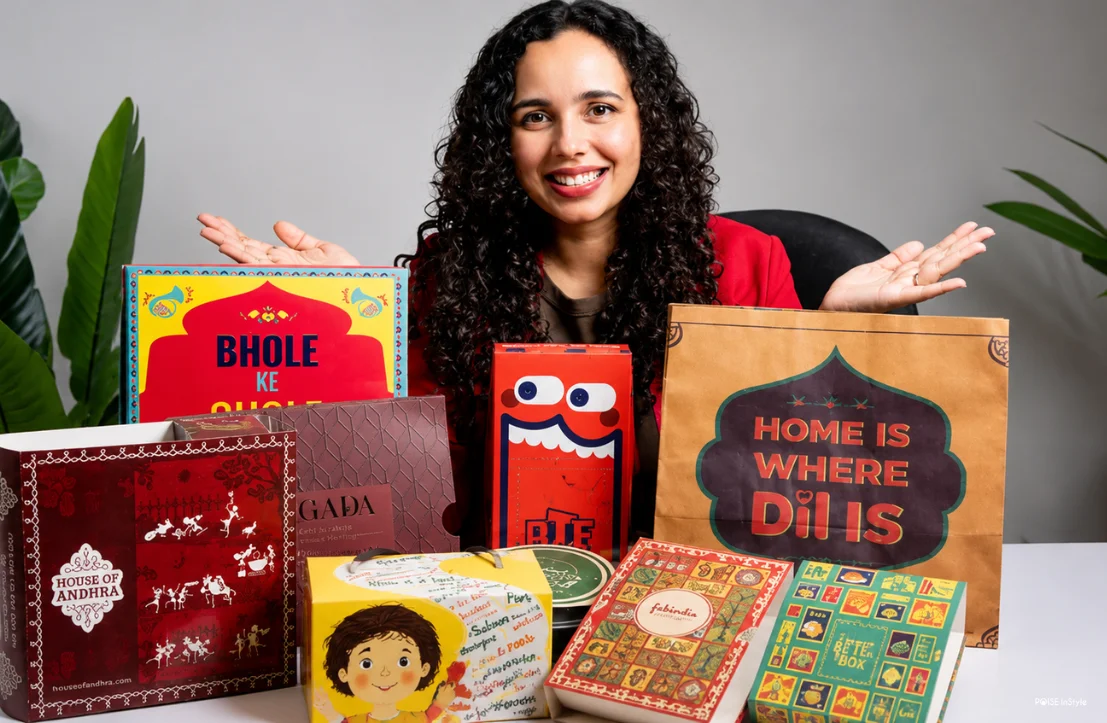
India’s food delivery industry is entering a new phase of growth, and cloud kitchen brands are once again attracting strong investor attention. The latest company to join that momentum is DIL Foods, the virtual restaurant operator that has reportedly raised ₹72 crore (around $7.7 million) in a Series B funding round.
The round was led by Bikaji Foods Family Office, with participation from V3 Ventures, MJV Ventures, and Alteria Capital.
The investment highlights growing confidence in India’s rapidly expanding virtual restaurant and cloud kitchen ecosystem, where delivery-first food brands are becoming an increasingly important part of urban consumer lifestyles.
Why Cloud Kitchens Continue to Attract Investors
Over the last few years, food delivery habits in India have changed significantly. Consumers today are ordering food more frequently through apps, prioritising convenience, speed, and variety over traditional dine-in experiences.
This shift has made cloud kitchens and virtual restaurant models far more attractive.
Unlike traditional restaurant businesses that require expensive retail spaces and large operational setups, virtual restaurants operate through delivery-focused kitchens. This allows brands to scale faster while keeping overhead costs relatively lower.
For investors, that scalability creates a strong business opportunity.
Companies in this segment can experiment with multiple food brands, expand into new locations quickly, and optimise operations using technology and customer data.
DIL Foods appears to be positioning itself strongly within this growing market.
What the Fresh Funding Means for DIL Foods
A Series B round generally indicates that a startup is entering a more aggressive expansion phase.
The newly raised ₹72 crore is expected to help DIL Foods strengthen operations, expand its presence, improve technology infrastructure, and deepen its brand reach in India’s competitive food delivery market.
As food-tech competition intensifies, companies are increasingly investing in operational efficiency, faster delivery systems, customer retention strategies, and menu innovation.
The funding could also help DIL Foods scale its distribution network while improving backend execution in a market where consistency and speed directly impact customer loyalty.
Bikaji Foods’ Backing Adds Strategic Value
One of the most interesting aspects of the funding round is the involvement of Bikaji Foods Family Office.
Bikaji Foods is already a recognised name in India’s packaged food sector, and its participation signals rising strategic interest from established food businesses in digital-first restaurant models.
Traditional food companies are increasingly exploring partnerships and investments in delivery-driven brands as consumer behaviour continues shifting online.
The backing from investors like V3 Ventures, MJV Ventures, and Alteria Capital further strengthens confidence in DIL Foods’ growth potential and long-term scalability.
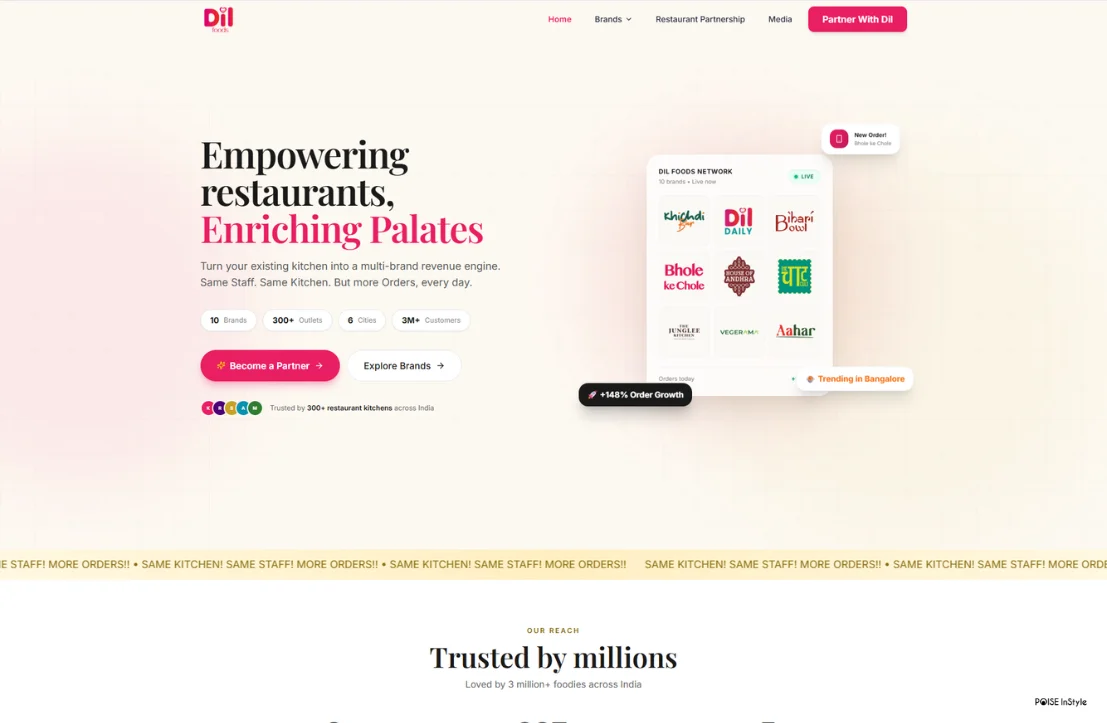
India’s Food-Tech Industry Is Becoming More Competitive
India’s cloud kitchen market has evolved rapidly over the last decade.
Today’s food delivery businesses compete on far more than just food quality. Customers now expect seamless app experiences, quick deliveries, attractive packaging, affordable pricing, and consistent service.
As a result, virtual restaurant operators are becoming highly data-driven businesses focused on operational precision and customer experience.
Success in this space often depends on factors like:
- Delivery efficiency
- Menu innovation
- Repeat customer retention
- Brand visibility
- Technology integration
- Operational scalability
With increasing competition from both startups and established food brands, securing growth capital has become essential for companies looking to scale sustainably.
The Bigger Shift in Consumer Behaviour
The rise of brands like DIL Foods reflects how deeply food delivery has become embedded in modern urban lifestyles.
For younger consumers especially, ordering meals online is no longer occasional convenience – it is now part of everyday life. Whether it’s quick lunches, late-night cravings, or comfort food after work, digital-first food brands are shaping how urban India eats.
This shift is also changing how restaurant businesses are built.
Instead of prioritising expensive dine-in experiences, many food entrepreneurs are now focusing on technology, delivery optimisation, and scalable kitchen infrastructure.
That evolution has created an entirely new category of food businesses designed specifically for digital consumption.
What Lies Ahead for DIL Foods
With fresh capital and strong investor backing, DIL Foods now enters a critical phase of expansion.
The company’s next growth stage will likely focus on scaling efficiently while maintaining strong customer experience and operational consistency in an increasingly crowded market.
For Poise Instyle readers following India’s startup and consumer-brand ecosystem, DIL Foods represents the new-age face of food entrepreneurship – digital-first, convenience-driven, and built around changing urban lifestyles.

