

Travel has changed dramatically for women over the last few years. More women are travelling solo, taking work trips, planning spontaneous weekend getaways, and prioritising experiences like never before. But while the way women travel has evolved, the luggage industry has largely stayed the same.
Most travel bags are still designed with a generic approach – bulky compartments, impractical storage layouts, and “unisex” designs that rarely account for how women actually pack.
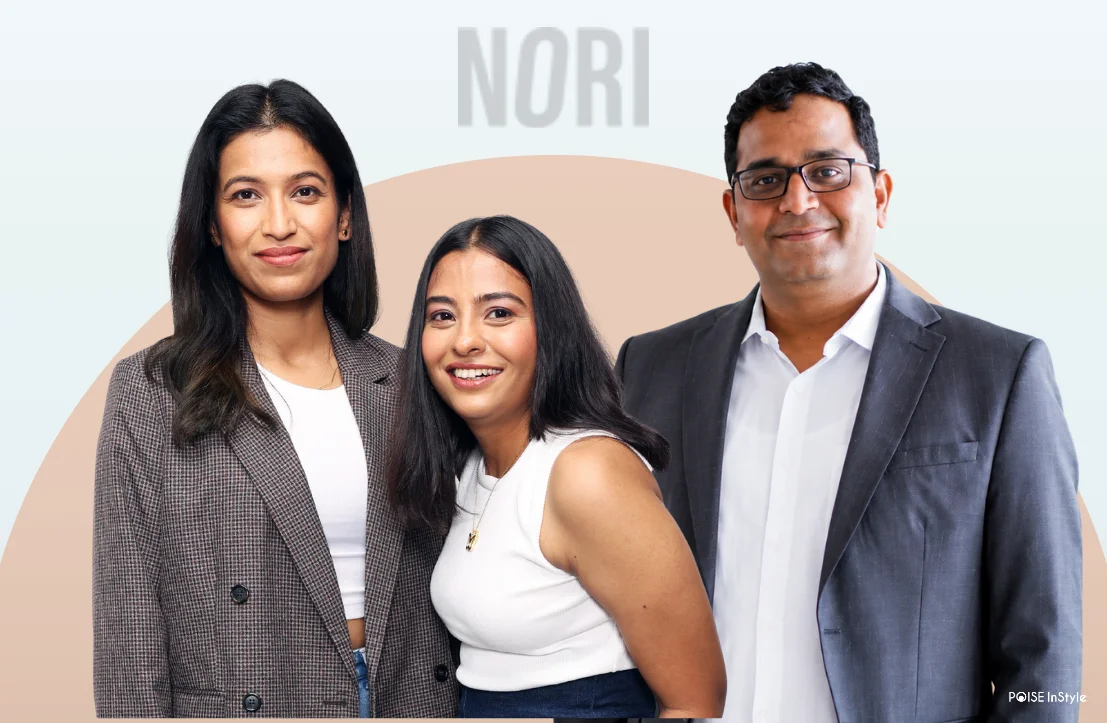
Bengaluru-based startup NORI is trying to change that narrative.
The women-first travel gear brand has raised $350,000 in a pre-seed funding round led by The Rebalance, with participation from Paytm founder Vijay Shekhar Sharma through VSS Investco and several angel investors. Founded by Meenakshi V and Rashika Nori in 2025, the startup is building travel products specifically around women’s real travel habits, routines, and everyday needs.
And in India’s rapidly growing lifestyle commerce market, that focused approach is already gaining attention.
A Travel Brand Created Around Women’s Real Needs
NORI did not begin with the idea of simply making “cute luggage.” The founders wanted to solve practical problems women constantly face while travelling.
From managing skincare products and jewellery to carrying electronics, essentials, and personal items safely, women often pack differently from men. Yet most luggage brands continue to treat women travellers as an afterthought.
That gap became the foundation for NORI.
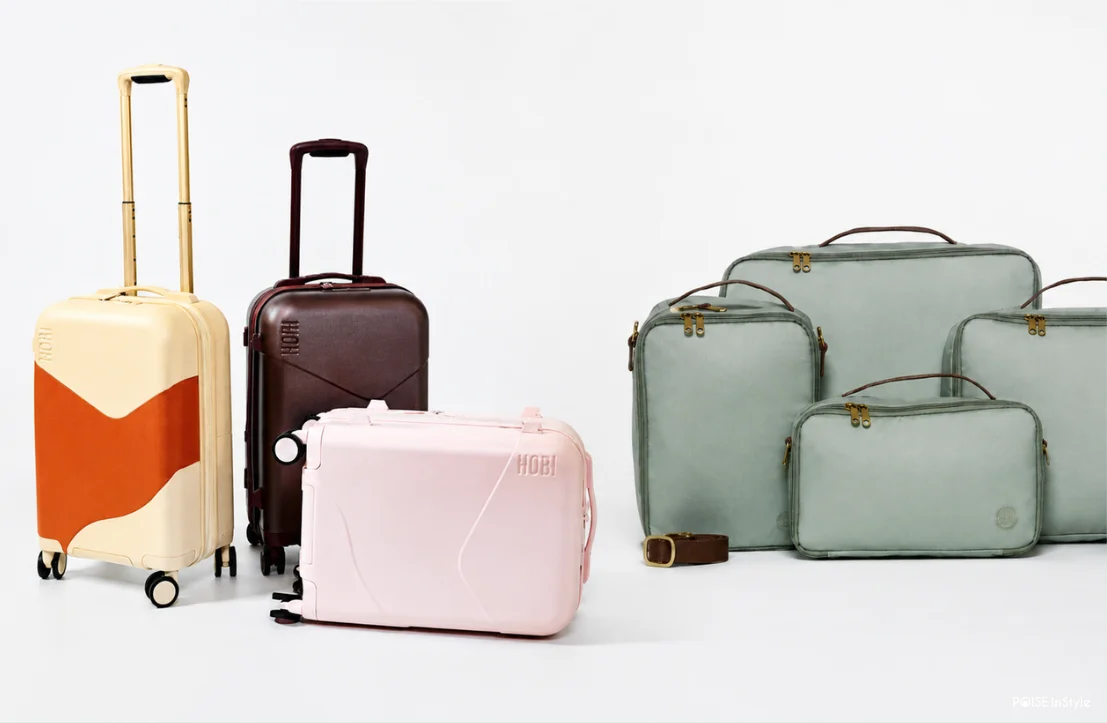
The brand’s product line includes suitcases, packing cubes, organisers, and everyday travel bags designed with thoughtful, gender-informed features. These include discreet security pockets, modular organisers, lightweight construction, and compartments tailored for items women commonly carry while travelling.
The products are also built around real user testing and traveller feedback rather than trend-driven assumptions.
That design-first mindset is helping NORI stand out in a crowded D2C market where consumers are becoming increasingly selective about functionality, not just aesthetics.
Why Women Consumers Are Driving the Brand’s Growth
NORI’s timing aligns perfectly with a larger consumer shift happening across India.
Women today are spending more intentionally on products that improve convenience, organisation, and travel experiences. Instead of buying generic utility products, consumers are gravitating toward brands that understand their lifestyles more personally.
For millennials and Gen Z women especially, travel has become deeply connected to independence, self-expression, and lifestyle identity. Whether it’s a work trip, wellness retreat, girls’ vacation, or solo getaway, women are now looking for travel products that feel practical without compromising on style.
NORI appears to have recognised that gap early.
Since launching, the startup says it has already served more than 4,000 customers and is tracking toward an annual recurring revenue (ARR) of nearly ₹2 crore – an impressive milestone for a company that is barely a year old.
Much of this traction has come through direct-to-consumer sales, Instagram discovery, creator-led marketing, and boutique retail collaborations.
Social Commerce Is Playing a Huge Role
One reason brands like NORI are scaling quickly is because consumer discovery itself has changed.
Travel products today are often discovered through Instagram reels, packing videos, airport fashion content, and influencer recommendations rather than traditional advertisements.
Consumers want to see products in real-life situations before making purchases.
NORI’s visual branding and women-focused storytelling naturally fit into that digital ecosystem. Instead of marketing luggage as purely functional, the brand positions travel gear as part of a larger modern lifestyle.
That emotional positioning is becoming increasingly powerful in the D2C space.
Where the Fresh Funding Will Be Used
The newly raised capital will now help NORI expand both its product range and distribution network.
The founders plan to introduce:
- New luggage sizes
- Tech-safe organisers
- Nursing travel kits
- Seasonal collections
- Everyday travel accessories
The company also wants to strengthen its offline retail presence through airport stores, travel hubs, lifestyle retailers, and pop-up experiences.
While online sales have driven early growth, physical retail remains important for travel products because customers often prefer touching, testing, and experiencing luggage before purchasing.
Investors See Potential in Women-Focused Design
Investors backing NORI believe its biggest strength lies in its highly focused positioning.
Instead of competing directly with large mass-market luggage brands, NORI is building a specialised identity around women-first travel experiences.
Lead investor The Rebalance reportedly saw strong potential in the startup’s product differentiation, early customer response, and growing market demand.
The involvement of Vijay Shekhar Sharma through VSS Investco also adds visibility and strategic support as the startup scales further.
In India’s increasingly competitive startup ecosystem, niche brands solving specific lifestyle problems are attracting stronger investor interest than broad generic businesses.
The Bigger Shift Happening in Consumer Startups
NORI’s rise reflects a much larger change happening across India’s consumer economy.
Women consumers are no longer satisfied with products designed for the “average customer.” Across beauty, wellness, fashion, fintech, and now travel, brands are being forced to think more intentionally about women’s lived experiences.
And consumers are rewarding brands that genuinely listen.
For Poise Instyle readers balancing careers, quick travel plans, airport runs, and modern urban lifestyles, NORI represents more than just another luggage startup. It reflects a growing generation of Indian brands that are building products around real women instead of simply marketing to them.
The company is still in its early stages, but its momentum already signals something important – the future of lifestyle commerce may belong to brands that pay closer attention to the details traditional industries have ignored for years.

