

Introduction: Reinventing Baby Food for a New Generation of Parents
For decades, baby food has remained one of the most traditional and unchanged categories in the global food industry. Glass jars lined supermarket shelves, promising convenience but often compromising on freshness, taste, and nutritional value. Parents accepted this as the norm-not because it was ideal, but because there were limited alternatives. However, as a new generation of millennial parents emerged—more informed, health-conscious, and demanding—this acceptance began to shift.
Little Spoon entered this space at exactly the right moment. Founded in 2017, the brand challenged the status quo by offering fresh, organic, and customized baby food delivered directly to consumers through a subscription model. What started as a solution to a personal parenting problem has grown into one of the most recognized names in children’s nutrition, serving over a million families and generating projected revenues of $150–165 million. In doing so, Little Spoon has not just built a successful company—it has redefined how modern parents think about feeding their children.
The Founding Story: When Personal Pain Points Become Business Opportunities
Parents First, Founders Second
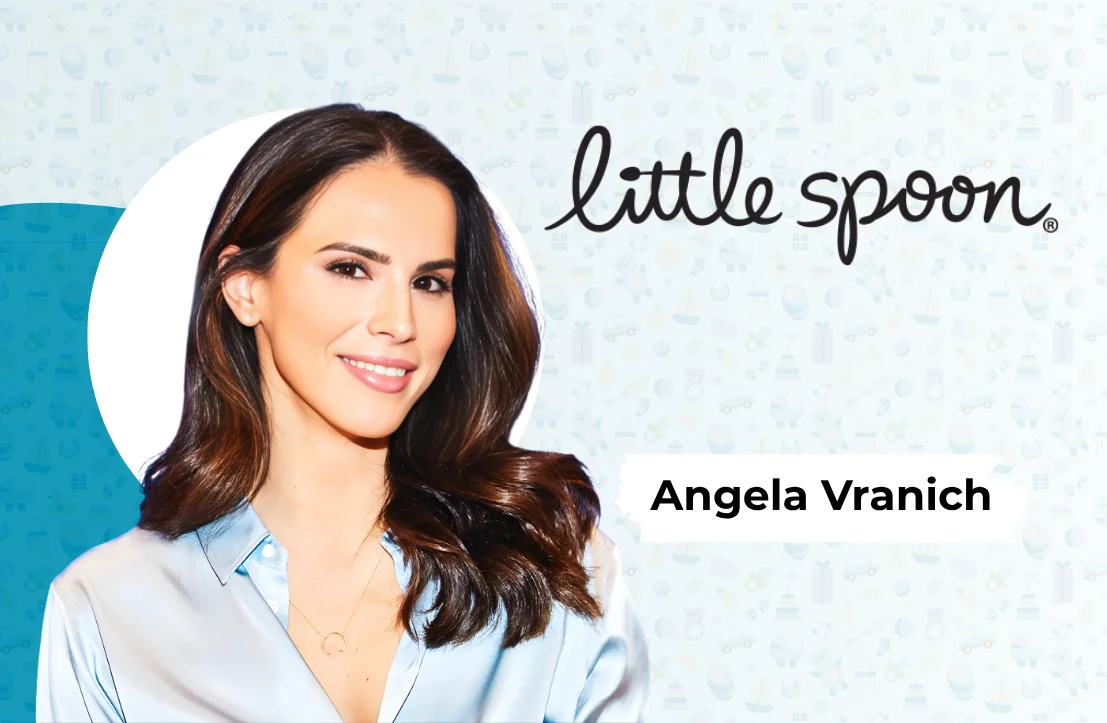
Little Spoon was born out of frustration. Founders Ben Lewis, Lisa Barnett, Michelle Muller, and child psychologist Angela Vranich experienced firsthand the limitations of traditional baby food. The available options were often heavily processed, shelf-stable for long periods, and lacking in variety. For parents who wanted fresh, nutritious meals for their children, the choices felt outdated.
Rather than accepting these limitations, the founders decided to build a solution themselves. Their core belief was simple yet powerful: parents should not have to choose between convenience and quality. This insight became the foundation of Little Spoon’s business model.
Understanding the Modern Parent
The founders recognized a key shift in consumer behavior. Dual-income households were becoming the norm, leaving parents with limited time to prepare fresh meals daily. At the same time, awareness around nutrition and ingredients was increasing. This created a gap in the market—a demand for high-quality, ready-to-serve meals that aligned with modern lifestyles.
The Product Innovation: Moving Beyond Traditional Baby Food
Fresh, Not Shelf-Stable
Little Spoon differentiated itself by focusing on freshness. Unlike traditional baby food that is pasteurized and stored for long periods, its products are flash-frozen to preserve nutrients and taste. This approach allows the brand to deliver meals that are closer to homemade food while maintaining the convenience parents need.
The product portfolio evolved over time to include stage-based purees, toddler meals, and nutritional boosters. Each offering is designed to meet the specific needs of children at different developmental stages, ensuring that parents receive personalized solutions rather than generic products.
Customization as a Core Feature
One of Little Spoon’s strongest differentiators is its customization capability. Parents can select meals based on their child’s age, dietary preferences, and allergies. This level of personalization not only enhances the user experience but also increases customer retention, as families continue to rely on the brand as their children grow.
The D2C Model: Building Without Retail Dependency
Subscription as a Growth Engine
From the beginning, Little Spoon adopted a direct-to-consumer (D2C) subscription model. This allowed the company to bypass traditional retail channels and build a direct relationship with its customers. Weekly deliveries ensured consistent engagement, while the subscription format provided predictable revenue streams.
The pricing strategy was carefully designed to balance affordability and quality, making fresh baby food accessible to a wider audience. This approach helped the brand scale rapidly without relying on supermarket shelf space.
Cold-Chain Logistics as a Competitive Advantage
Delivering fresh food at scale requires operational excellence. Little Spoon invested heavily in building a reliable cold-chain logistics system, ensuring that products reached customers in optimal condition. This infrastructure became a key competitive advantage, enabling the company to maintain quality while expanding its reach.
Growth and Funding: Scaling a Category-Defining Brand
Rapid Growth During Changing Times
Little Spoon experienced significant growth during the COVID-19 pandemic, as more families turned to home delivery solutions. The company reportedly saw substantial increases in both revenue and customer acquisition, validating its business model. This momentum continued even after the initial surge, demonstrating the long-term viability of its offering.
Strong Investor Backing
The company’s growth attracted significant investor interest, leading to multiple funding rounds and a valuation of approximately $300 million. Investors recognized the potential of building a comprehensive children’s nutrition platform rather than just a single product category. This vision has allowed Little Spoon to expand its offerings and strengthen its market position.
Retail Expansion: Entering Target Without Losing Identity
A Strategic Move into Physical Retail
While Little Spoon built its foundation as a D2C brand, its expansion into retail marked a new phase of growth. The launch in Target stores represented one of the largest food and beverage rollouts for the retailer, bringing the brand closer to mainstream consumers.
However, this move was not about replacing its D2C model. Instead, retail serves as a complementary channel, allowing new customers to discover the brand and eventually transition to subscriptions.
Balancing Online and Offline Growth
By maintaining a hybrid model, Little Spoon has managed to retain the benefits of direct customer relationships while leveraging the scale of retail distribution. This balance is critical for sustaining long-term growth in a competitive market.
Competitive Landscape: Challenging Legacy Brands
Breaking Away from Traditional Models
The baby food market has long been dominated by legacy brands offering shelf-stable products at lower price points. While these brands benefit from widespread distribution, they often lack innovation in product quality and personalization.
Little Spoon has carved out a distinct position by focusing on freshness, transparency, and customization. This approach appeals particularly to millennial parents who prioritize health and convenience over cost alone.
Creating a New Category
Rather than competing directly with traditional brands, Little Spoon has effectively created a new category within the market—fresh, subscription-based children’s nutrition. This positioning reduces direct competition and allows the brand to define its own standards.
The Role of Community: Building Trust Beyond Products
“Is This Normal” Platform
One of Little Spoon’s most innovative initiatives is its community platform, designed to support parents beyond nutrition. By addressing common concerns and questions, the brand has created a space where users feel understood and supported.
This community-driven approach strengthens customer loyalty and differentiates Little Spoon from purely transactional brands. It transforms the company into a trusted partner in parenting rather than just a food provider.
Lessons for Founders: What Makes Little Spoon Scalable
Solving Real Problems
At its core, Little Spoon succeeded because it addressed a genuine pain point. The founders did not create demand; they responded to it. This alignment between product and need is essential for building sustainable businesses.
Leveraging Modern Consumer Behavior
By understanding the preferences of millennial parents, the brand positioned itself at the intersection of convenience, health, and personalization. This insight allowed it to capture a rapidly growing market segment.
Building Infrastructure Early
Investing in logistics and operations early on enabled Little Spoon to scale efficiently. In categories like food, where quality is critical, operational excellence can be a defining factor.
Global Relevance: A Blueprint for Emerging Markets
Little Spoon’s success offers valuable lessons for entrepreneurs worldwide, particularly in markets like India where similar gaps exist. With increasing urbanization and changing lifestyles, there is growing demand for convenient yet nutritious food options for children.
By combining local ingredients with modern delivery models, Indian startups have the opportunity to replicate and adapt this approach. The key lies in understanding cultural nuances while maintaining a focus on quality and convenience.
Conclusion: Redefining an Entire Category Through Innovation
Little Spoon’s journey from a startup idea to a category leader demonstrates how traditional industries can be transformed through thoughtful innovation. By challenging outdated norms and prioritizing the needs of modern consumers, the company has built a brand that resonates deeply with its audience.
More importantly, it has redefined what baby food can be-not just a convenient option, but a fresh, personalized, and trustworthy solution for families. As the demand for healthier and more transparent food options continues to grow, Little Spoon is well-positioned to lead the next phase of evolution in children’s nutrition.
In a world where many businesses chase trends, Little Spoon stands out for addressing something fundamental: the desire of parents to give their children the best possible start. And in doing so, it proves a powerful point—when businesses are built around real human needs, they don’t just grow; they redefine industries.

