

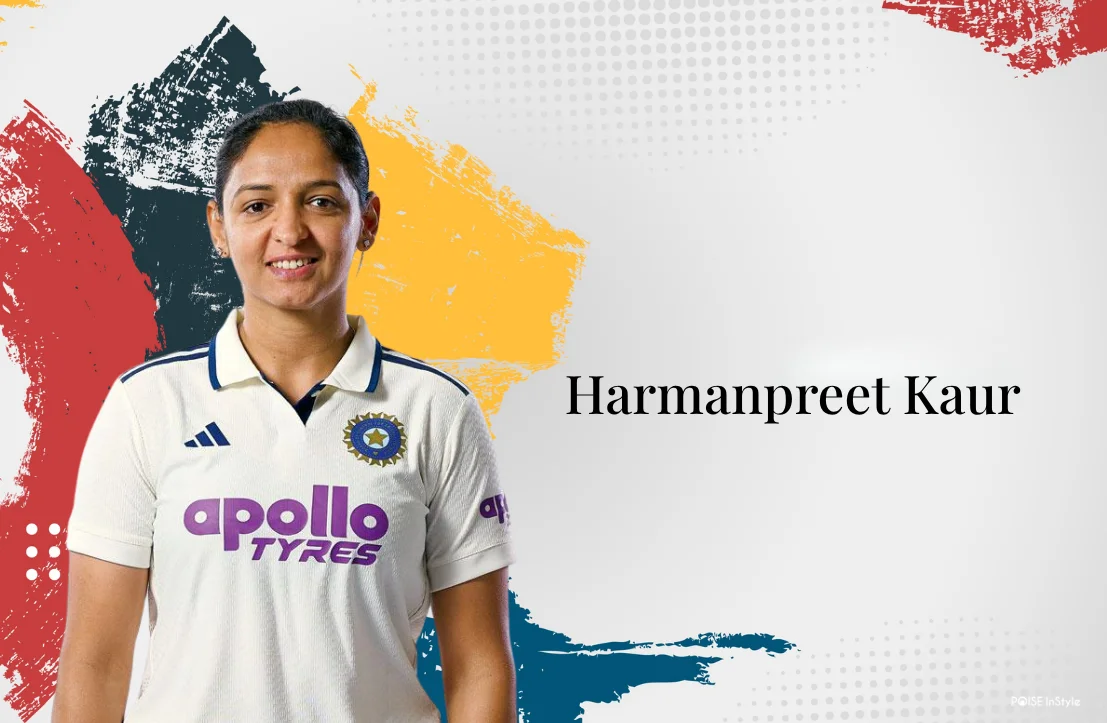
In today’s fast-evolving world of cricket, leadership is no longer defined by a single trophy or standout performance. It is measured by the ability to build consistency, inspire belief, and sustain momentum over time. Harmanpreet Kaur has done exactly that. What began as a journey of powerful batting performances has transformed into a story of vision, resilience, and cultural shift within Indian women’s cricket.
Her historic triumph at the ICC Women’s Cricket World Cup 2025 did more than add a trophy to India’s cabinet– it redefined how the team sees itself. Today, Harmanpreet is not just a captain who won a World Cup; she is the architect of a confident, fearless, and forward-looking team that is learning to win consistently.
The Evolution of Harmanpreet Kaur: From Match-Winner to Leader
Harmanpreet Kaur’s early career was defined by her aggressive batting style. She was known as the player who could shift momentum in a matter of overs, someone who thrived under pressure and delivered when it mattered most. But leadership demanded a different dimension– one that went beyond individual brilliance.
When she stepped into a leadership role, she entered a phase filled with both expectations and uncertainty. The Indian women’s team had talent, but consistency on the global stage remained elusive. Instead of playing safe, Harmanpreet leaned into her natural instincts– bold decision-making, backing players, and encouraging fearless cricket.
Over time, her leadership matured. She began to balance aggression with strategy, instinct with planning. She built trust within the squad, creating an environment where players felt confident taking risks without fear of failure. This shift in mindset laid the foundation for what would eventually become a historic turnaround.
The 2025 World Cup: A Defining Moment for Indian Women’s Cricket
The ICC Women’s Cricket World Cup 2025 marked a turning point not just for Harmanpreet Kaur, but for the entire Indian women’s cricket team. Heading into the tournament, India carried both hope and pressure. They had come close before, but the final breakthrough had remained just out of reach.
This time, the approach felt different. The team played with clarity and purpose, showing composure in high-pressure situations. Harmanpreet led from the front, both tactically and emotionally. One of the standout moments came in the semi-final against Australia, where her commanding innings helped India secure a crucial victory. Alongside Jemimah Rodrigues, she built a partnership that reflected both skill and trust– two elements that had become central to this team’s identity.
In the final, India defeated South Africa convincingly, lifting their first ICC Women’s World Cup title. It was a moment that went beyond sport. It signalled a shift– from being contenders to champions, from chasing success to owning it.
Turning Victory into Momentum
Winning a World Cup is often seen as the ultimate achievement, but sustaining that success is where true leadership is tested. For Harmanpreet Kaur, the victory was not an endpoint– it was a beginning.
The focus quickly shifted from celebration to continuity. The question was no longer “Can India win?” but “Can India keep winning?” This is where her extended leadership in the T20 format becomes crucial. It reflects trust in her ability to carry forward the momentum and build a long-term winning culture.
Under her captaincy, India’s approach to T20 cricket has evolved. There is greater clarity in roles, sharper execution of strategies, and a noticeable calmness in high-pressure moments. The team no longer looks tentative; it looks prepared.
Leadership in T20 Cricket: Where Instinct Meets Strategy
T20 cricket is unpredictable and intense. It requires quick thinking, adaptability, and the courage to make bold decisions. Harmanpreet Kaur’s leadership style fits naturally into this format.
As a player, she brings experience and the ability to anchor or accelerate an innings depending on the situation. As a captain, she demonstrates strong game awareness– whether it is rotating bowlers effectively, adjusting field placements, or backing young players in crucial moments.
Her consistent performances with the bat reinforce her leadership. She does not lead from the sidelines; she leads through action. This combination of performance and decision-making strengthens her influence on the team and builds confidence among players.
Impact Beyond International Cricket
Harmanpreet’s leadership impact extends beyond the international arena. Her success in the Women’s Premier League has highlighted her ability to adapt to different team environments and formats.
Franchise cricket brings its own challenges– diverse teams, high expectations, and limited time to build cohesion. Yet, Harmanpreet has managed to create winning combinations by focusing on clarity, communication, and trust. Her ability to handle star players while nurturing emerging talent reflects a modern leadership approach that values both performance and people.
This dual success– international and franchise– cements her position as one of the most influential leaders in women’s cricket today.
Why Her Continued Captaincy Matters
The decision to continue with Harmanpreet Kaur as T20 captain is not just about past achievements. It is about maintaining stability and building on a system that is already delivering results.
Leadership continuity allows the team to retain its strategic direction. It ensures that players can develop within a consistent framework, rather than constantly adapting to new styles and expectations. For younger players, it creates a stable environment where they can grow with confidence.
It also sends a strong message about trust. By backing a leader who has proven her ability, the team management reinforces the importance of experience and long-term vision.
A Role Model for the Next Generation
Harmanpreet Kaur’s journey offers valuable lessons for aspiring athletes and professionals alike. She represents a form of leadership that is both strong and grounded– one that values performance but also prioritises team growth.
Her story shows that leadership is not about immediate perfection. It is about learning, adapting, and staying committed to a larger goal. For many young women in sports, she stands as proof that it is possible to lead with authenticity while still achieving excellence.
She has also contributed to changing the narrative around women’s cricket in India. What was once seen as a developing space is now viewed as competitive, dynamic, and capable of global dominance.
The Road Ahead: Sustaining Excellence
As India moves into the next phase of international cricket, the focus will be on sustaining the standards set during this golden period. This requires not just skill, but strong leadership and a clear vision.
Harmanpreet Kaur remains central to this journey. Her role now extends beyond winning matches– she is shaping the mindset of the team, mentoring younger players, and ensuring that success becomes a habit rather than an exception.
Her ability to balance performance with leadership will determine how far this team can go in the coming years.
Conclusion: More Than Just a Captain
Harmanpreet Kaur’s legacy is still unfolding, but one thing is clear– she has already changed the trajectory of Indian women’s cricket. From leading a historic World Cup victory to building a culture of confidence and consistency, she has redefined what leadership looks like in modern sport.
She is not just a captain who wins matches; she is a leader who builds belief, inspires teams, and creates momentum that lasts beyond individual tournaments.
And in a sport where momentum often decides greatness, Harmanpreet Kaur is not just part of the journey– she is leading it.