
Why AI has become a career essential, not just a tool
Artificial Intelligence is no longer sitting on the sidelines of professional life– it is actively shaping how work gets done, how decisions are made, and how careers evolve. In 2026, AI is not just about automation or convenience. It has quietly become a daily companion for writing, planning, learning, analyzing, and even thinking more clearly.
The biggest shift is not technological– it is behavioural. Professionals who grow faster today are not necessarily the ones who work harder, but the ones who know how to use AI intelligently. When used with intention, AI does not replace human effort; it amplifies it. It removes repetitive friction, speeds up execution, and frees mental space for creativity, strategy, and leadership.
This is why AI is no longer optional. It is becoming a silent skill divider in modern careers.
AI as your invisible productivity partner
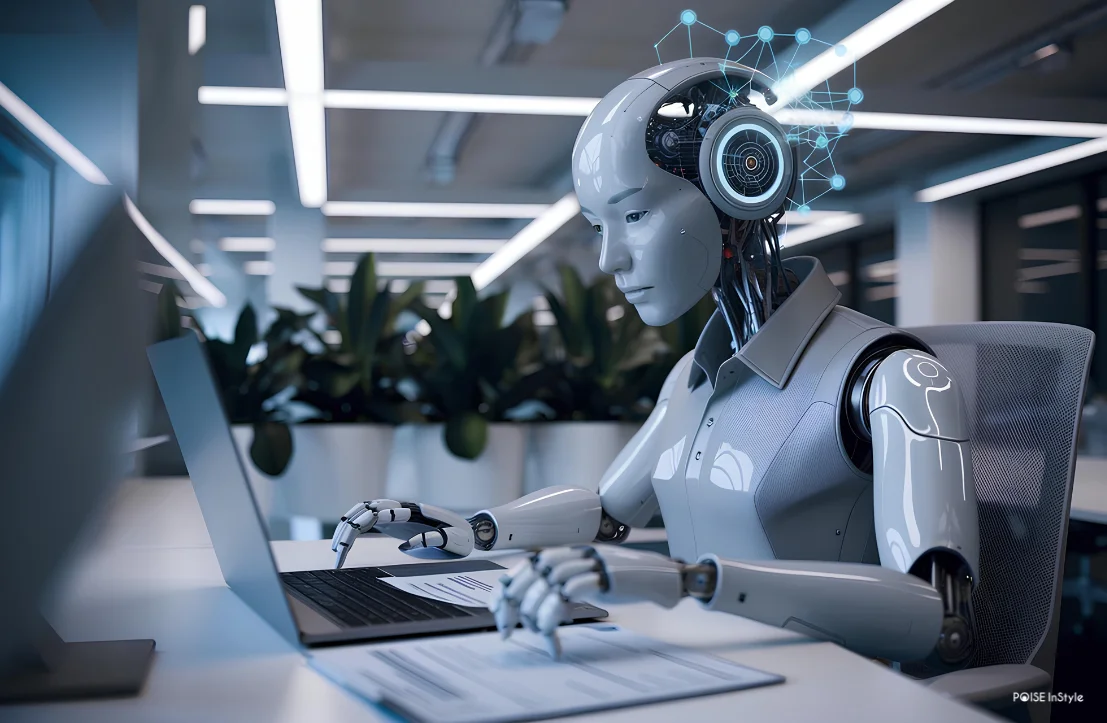
One of the most immediate and practical ways AI transforms work is by acting as a productivity partner. Most professionals spend a large portion of their day rewriting emails, organizing notes, summarizing information, or formatting documents. These tasks are necessary– but not always valuable.
AI helps you compress this time dramatically.
Instead of staring at a blank page, you can turn rough thoughts into polished communication within seconds. A simple instruction like “Rewrite this message in a confident, clear tone under 120 words” can transform messy drafts into structured, professional communication instantly. This does not remove your voice– it sharpens it.
The same applies to reports, proposals, and presentations. AI helps convert scattered ideas into structured frameworks, allowing you to focus less on formatting and more on thinking.
Beyond writing, AI-powered tools can also automate repetitive workflows. Tasks like transferring data between apps, organizing schedules, or setting reminders can now happen in the background without manual effort. This shift quietly changes how your day is structured– you move from doing everything yourself to supervising intelligent systems that support your workflow.
The real advantage here is not speed alone. It is mental clarity. When routine tasks stop overwhelming your attention, you can finally focus on work that actually requires judgment and creativity.
Turning AI into a personal learning accelerator
Beyond productivity, AI is transforming how people learn and grow professionally. Traditionally, learning new skills required courses, structured programs, and long timelines. Today, AI allows learning to become continuous, adaptive, and fully personalized.
Instead of following a generic curriculum, you can build your own learning journey based on your role and goals. For example, asking “Create a 30-day learning plan for beginner-level data analysis in marketing” can give you a structured roadmap broken into daily actions, exercises, and checkpoints.
This makes skill-building feel less overwhelming and more achievable.
Even more powerful is real-time learning. AI allows you to learn directly from your work. You can upload documents, meeting notes, or reports and ask for explanations, summaries, or breakdowns of complex concepts. This turns everyday tasks into learning opportunities without extra study time.
In this way, AI eliminates the gap between working and learning. You don’t pause your career to grow– you grow while working.
Using AI to strengthen your personal brand and visibility
In today’s digital-first world, your career is not defined only by what you do, but also by how clearly others understand your value. This is where AI becomes a powerful branding tool.
AI helps you consistently communicate your expertise without burning out on content creation. It can generate ideas for LinkedIn posts, blog topics, or professional insights tailored to your field. For example, a prompt like “Give me content ideas for women leaders in tech that feel practical and non-generic” can instantly unlock relevant themes.
But its real strength lies in refinement.
Many professionals struggle not with lack of experience, but with how to express it. AI helps transform vague descriptions into impact-driven narratives. Instead of saying “worked on marketing campaigns,” you can refine it into something like “designed and executed campaigns that improved engagement by 40% across digital channels.” That difference changes how you are perceived.
The same applies to resumes, portfolios, and LinkedIn profiles. AI helps structure your experience in a way that highlights outcomes rather than just responsibilities. This makes your profile more discoverable, more readable, and more compelling.
Used well, AI becomes a quiet editor that helps your achievements speak louder and clearer.
AI as a career strategist and decision support system
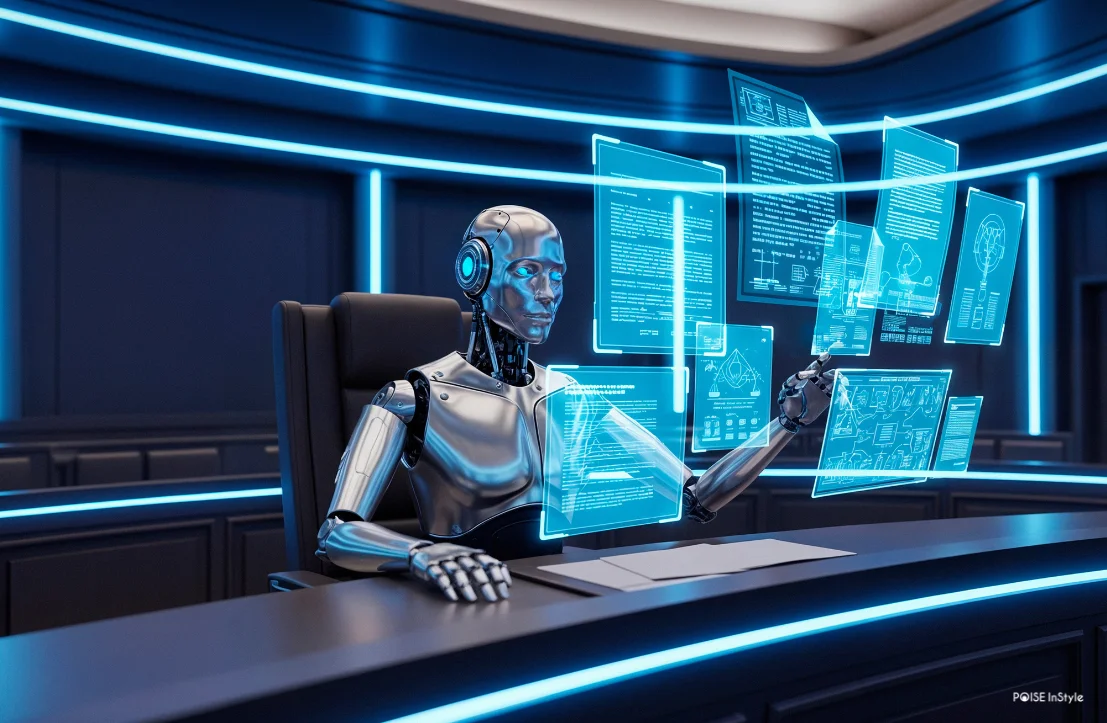
One of the most underrated uses of AI is its ability to support long-term career thinking. Many professionals don’t struggle with effort– they struggle with direction. AI can help reduce that uncertainty by acting as a thinking partner.
You can simulate interview scenarios, explore different career paths, or test how you should respond in professional situations. For instance, asking AI to act as a hiring manager and conduct a mock interview helps you refine both answers and confidence in real time.
This type of practice is powerful because it removes fear from preparation. You can rehearse, improve, and refine without real-world pressure.
AI can also support performance reflection. By analyzing your weekly work patterns, goals, and outputs, it can highlight where your strengths lie and where you may need improvement. This creates a more structured approach to self-growth, instead of relying only on intuition.
In many ways, AI becomes a mirror that helps you see your work more clearly than you usually would.
The importance of balance: staying human in an AI-driven workflow
While AI is powerful, its effectiveness depends entirely on how it is used. The goal is not to outsource thinking, but to enhance it.
The most effective professionals follow one simple principle: AI supports decisions, it does not make them. This ensures that human judgment, creativity, and emotional intelligence remain central to all outputs.
It is also essential to verify and refine AI-generated content. AI can structure ideas quickly, but context, accuracy, and nuance still require human oversight. Especially in strategic or sensitive work, your input is what ensures quality and relevance.
Most importantly, your personal voice should never disappear. AI can draft, suggest, and optimize– but your identity, tone, and perspective must remain intact. Editing AI output is not optional; it is what makes the final result authentic.
When used this way, AI becomes a collaborator– not a replacement.
Why AI is shaping the future of career growth
The biggest impact of AI is not just efficiency– it is expansion. It expands what individuals are capable of doing in a single day, without increasing burnout or workload.
Professionals who integrate AI effectively naturally move faster in their careers. They communicate more clearly, learn more quickly, and operate with greater confidence because they are no longer slowed down by repetitive tasks or information overload.
For women professionals, creators, and leaders especially, AI also creates something even more valuable: space. Space to think deeply, space to create freely, and space to lead without being overwhelmed by operational noise.
This shift is subtle but powerful. It changes the definition of productivity from “doing more” to “doing what matters most.”
Final thoughts: AI is not replacing careers- it is redefining them
AI is often discussed as a disruptive force, but in reality, it is more of a refinement tool than a replacement. It does not erase human capability–it enhances it.
When used intentionally, AI helps you become a better communicator, faster learner, and more strategic thinker. But the direction, judgment, and creativity still belong to you.
That is the real transformation happening in 2026: careers are no longer built on effort alone, but on how intelligently you collaborate with tools that amplify your potential.
The future does not belong to AI alone. It belongs to professionals who know how to use it well.

