

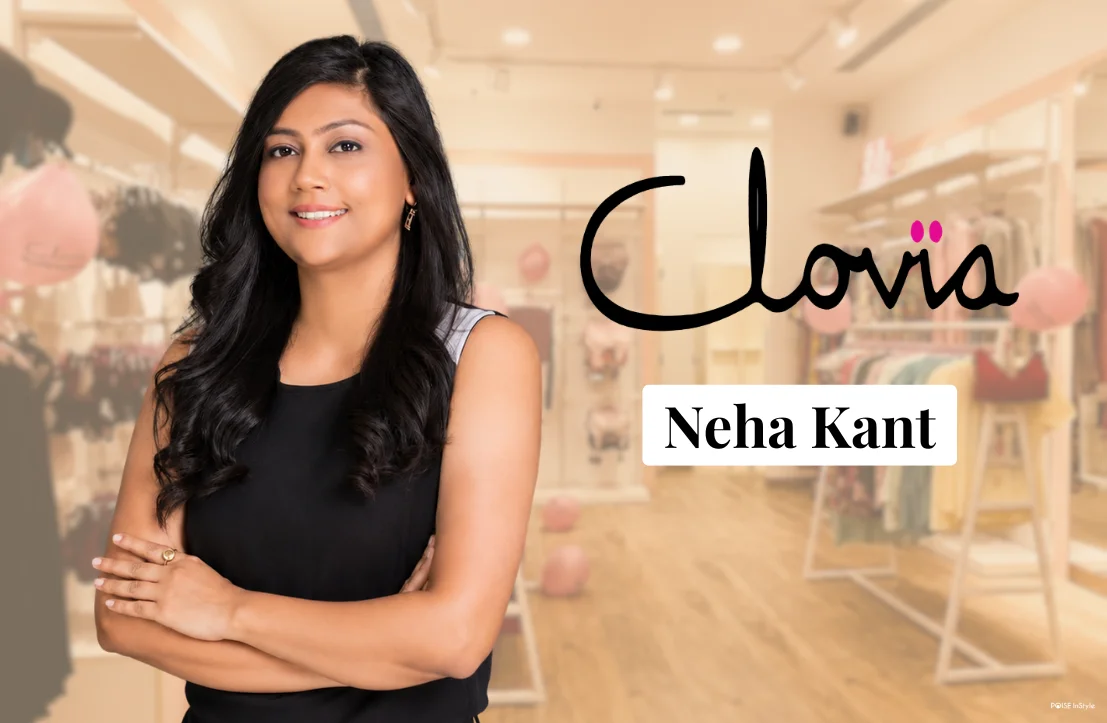
For many women in India, the prospect of buying lingerie was something to be put off. With little in the way of style or size options and an awkward atmosphere in store, what ought to have been a straightforward transaction was often made uncomfortable. Neha Kant, the founder of Clovia, recognised this as an issue that had been left unaddressed and has since turned it into one of the most notable success stories in the country’s intimate-wear sector.
Her path from spotting an opening in a category rife with taboos to establishing a premier brand for lingerie and sleepwear is testament to the fact that there is no better way to make an impact than to solve a genuine consumer problem. Clovia is now a name known in every home, and its recent acquisition by Reliance Retail for ₹950 crore is a fitting validation of the kind of persistence and customer-first approach that has defined the company.
An opportunity where others saw a taboo
Neha’s foray into entrepreneurship was born of an observation any woman could identify with. In India, the process was rarely pleasant; stores were run by men, choice was limited and the subject was not one people talked about.
She found a different reality while travelling overseas. There, lingerie was treated as an empowering necessity in a woman’s wardrobe, with an array of designs and fits to suit her. Back home, the disparity was stark.
With a “Say no to drab lingerie” philosophy, Neha set out to offer something more than the functional and uninspiring. She wanted to provide pieces that were stylish and confidence-inspiring, so that shopping for intimate wear was an experience to be had rather than endured.
Assembling the right team at Clovia
When she co-founded Clovia in 2013 with her husband Pankaj Vermani, a technology entrepreneur, they did so with a small but capable founding team. They brought together a mix of talents:
There was Neha’s background in digital business and marketing from her time with bestylish.com and the India Today Group, and Pankaj’s know-how in operations and technology. To that they added a senior tech specialist and someone with deep expertise in the nuances of fit and manufacturing in lingerie design.
The result was an online-first, data-led brand built to address the issues women encountered in traditional retail.
Where fit and comfort come first
Clovia did things differently. Rather than use generic measurements, the brand put stock in customer data and feedback to refine its sizing, ensuring a product that worked for a variety of body types.
They were equally particular about comfort. By using premium fabrics, satin finishes and imported lace, they created items of elegance that were still practical to wear. A steady stream of new prints and colours kept the collection from being merely conventional.
Being a digital brand also meant women could do their research and compare styles in the privacy of their homes with a level of confidence that brick-and-mortar stores simply did not afford them.
Succeeding in a category most shun
One does not build a lingerie company in India without running into headwinds. Business partners and investors tended to be circumspect about the social stigma attached to intimate wear.
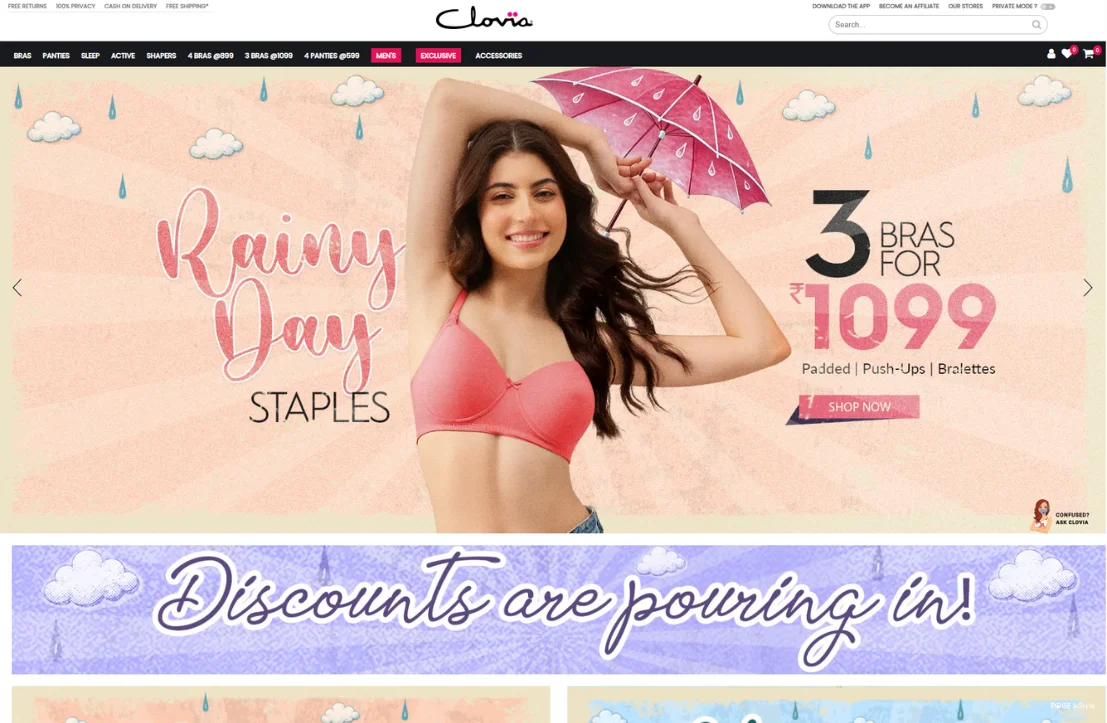
Clovia did not shy away from it. The brand was forthright in talking about body positivity and proper fit, using social media and educational content to put women at ease and demystify the subject. On the operational side, they put money into their own supply chain and tech infrastructure instead of depending on imports, which gave them command over quality and inventory.
Over time, these moves took Clovia from a niche startup to a dominant force in both the offline and digital space.
The Reliance Retail deal
In 2022 the brand hit a milestone when Reliance Retail Ventures moved to acquire an 89% stake in Purple Panda Fashions, Clovia’s parent, in a ₹950 crore ($125 million) transaction. While Neha Kant and the founders held on to the remaining 11%, the move was a clear win for Reliance, adding a top D2C name to a portfolio that already included Zivame and Amante.
Reliance gained access to more than just products; the deal brought in a loyal consumer base and a data-driven model that could be scaled through its omnichannel network. For Neha, however, it was about more than the numbers. It was proof that you can build a large, purposeful business even in a segment once deemed too difficult to talk about, provided you are attuned to what your customers truly need.
From Haridwar to a national stage
Neha Kant’s route to the top was not the conventional one. Raised in Haridwar and born in Delhi, she was in an environment that would typically steer one toward engineering. After an MBA and a degree from Miranda House, she spent close to ten years in sales and marketing before making the leap to start her own venture.
Her personal exasperation as a shopper was what laid the groundwork for Clovia. Now, as the founder of a ₹950 crore enterprise, she is seen as one of the entrepreneurs who has altered the Indian perspective on intimate wear. In making the whole process of shopping for lingerie more accessible and empowering, she has shown that there are extraordinary opportunities to be found in challenging the status quo.

