


From Goldman Sachs to Building Evereden
It is not often that a jar of baby cream is the stuff nine-figure empires are made of. But then again, Kimberley Ho has shown that the most substantial opportunities can be found in a long-term vision for what is otherwise a simple problem to solve.
Ho left her post at Goldman Sachs in 2018 to put her own spin on the market with Evereden, a premium baby skincare line where products run $28. Today, six years on, the brand has put in excess of $100 million in annual revenue. She did not get there by running after viral beauty fads or putting stock in celebrity endorsements; it came down to answering one question: why let a customer go when their requirements change?
Where most companies will build around a single product and then have to spend a fortune to replace those customers as they age out, Evereden set out to create an ecosystem that grows with the family. The result is a brand that has become a fixture in households from the first days of motherhood through to a teenager’s need for acne treatment. For any entrepreneur or marketer, there are lessons to be had in how Ho has handled pricing, retention and growth.
A Family-First Business Model That Grows With Every Life Stage
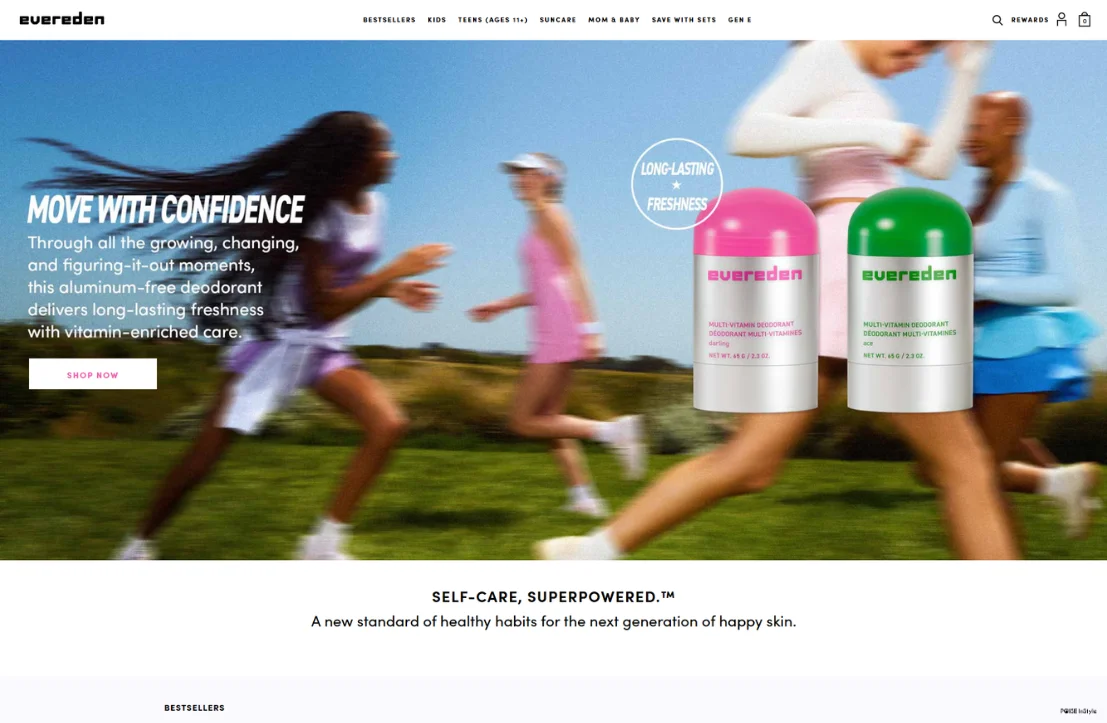
Consider the way Evereden has built its business. A conventional skincare firm will target a demographic, see some growth and then move on. Not so for Ho. From the start she was thinking well past infancy. What began as gentle baby care has evolved into a full journey for the family. The current portfolio is broken down by life stage: fragrance-free options for babies under two; sunscreens and body washes for active kids aged three to nine; and for the teen years (10 to 17), hydration and beginner antioxidant skincare. There is even postpartum care for mothers.
In this way, a parent who puts down cash for a tube of baby cream today may very well be an Evereden customer fifteen years from now for both herself and her child. The company does not have to hunt for new buyers because it keeps the ones it has engaged as their needs shift.
The $28 Pricing Strategy That Built Long-Term Trust
Then there is the matter of price. The beauty industry has been happy to charge $60 or $70 for a moisturizer on the premise that exclusivity and cost are synonymous with quality. Evereden has no interest in that. Its flagship moisturizer is $28, well under what you would pay a premium competitor, yet the safety and ingredients are not compromised.
To a finance professional like Ho, it is a sound strategy. New parents have enough expenses without having to overpay for the privilege of trying a new brand. By keeping the barrier to entry low, Evereden forgoes the margin on a single sale in favor of something harder to come by: trust. And that is what will drive repeat business for the next decade.
Why Customer Retention Became Evereden’s Biggest Competitive Advantage?
In an industry accustomed to a churn model of aggressive marketing to offset the loss of existing customers, Evereden has turned things on their head. It is all about retention. By making sure its offerings keep pace with the family, the brand simply makes it less likely that they will look elsewhere. When a parent has come to rely on Evereden for baby products, it is only natural that the brand’s sunscreen or children’s body care will be their choice down the road, and perhaps even the teenage acne line in years to come.
There is an efficiency to that kind of continuity. It spares Evereden the need to re-establish trust every few years; the company simply builds on what it has already put in place. The result is higher customer lifetime value and lower marketing spend. Any consumer business would do well to take note: holding onto loyal customers is generally more profitable than the constant pursuit of new ones.
Why Sephora Backed Evereden’s Long-Term Vision?
Sephora was one to see the opportunity in this long-term view. The world’s largest beauty retailer took notice of Evereden’s vision and in early 2025 struck a partnership to put forward a dedicated shopping category for Gen Alpha. This generation, born from 2010 on, are just starting to form their own skincare routines. By February 2026, the brand had made a nationwide appearance in Sephora U.S. stores and online.
To Sephora, this was about more than shelf space. Evereden provided a chance to win over a customer at a tender age and keep them for life, something not many beauty brands can claim. In a market that is ever more competitive, that potential for an evolving relationship rather than a one-off sale of a trending item is hard to pass up.
The Numbers Behind Evereden’s $100 Million Success
The financials back up the model. Evereden put in place $100 million in annual revenue by 2024, a figure most beauty startups would put off until they were ten years old. They did it in six. Their numbers tell a story of loyalty that is unusual in the sector. While premium skincare brands might expect a three to five year run with a customer, Evereden sees an average of 15. And with a repeat purchase rate in excess of 60 per cent, well above the 30 to 40 per cent industry norm, it is clear customers have no reason to look elsewhere.
What Entrepreneurs Can Learn from Evereden’s Growth Strategy?
There are lessons here for any entrepreneur. One is to design for the way a customer’s needs change over time, not just for the next sale. Another is to let pricing foster trust and make quality attainable, which in turn drives lifetime value. Retention should be given as much weight as acquisition if a business wants predictable, steady growth.
A New Blueprint for the Future of Beauty Brands
In many ways, Evereden is part of a wider change in the beauty world. Shoppers are more discerning these days, wanting transparency and substance over a high price tag and a fad. You see it with Gen Alpha, who have been watching their parents deal with complicated regimens and influencer hype for years; they want authenticity.
Kimberley Ho set out to build more than a baby skincare firm. She put together a business meant to be with its customers for a decade or more. While the industry may be quick to laud viral moments and easy wins, Evereden demonstrates that you get sustainable growth by valuing trust. A jar of baby cream can be the start of something much larger.

