

A Design Language That Feels, Not Just Looks
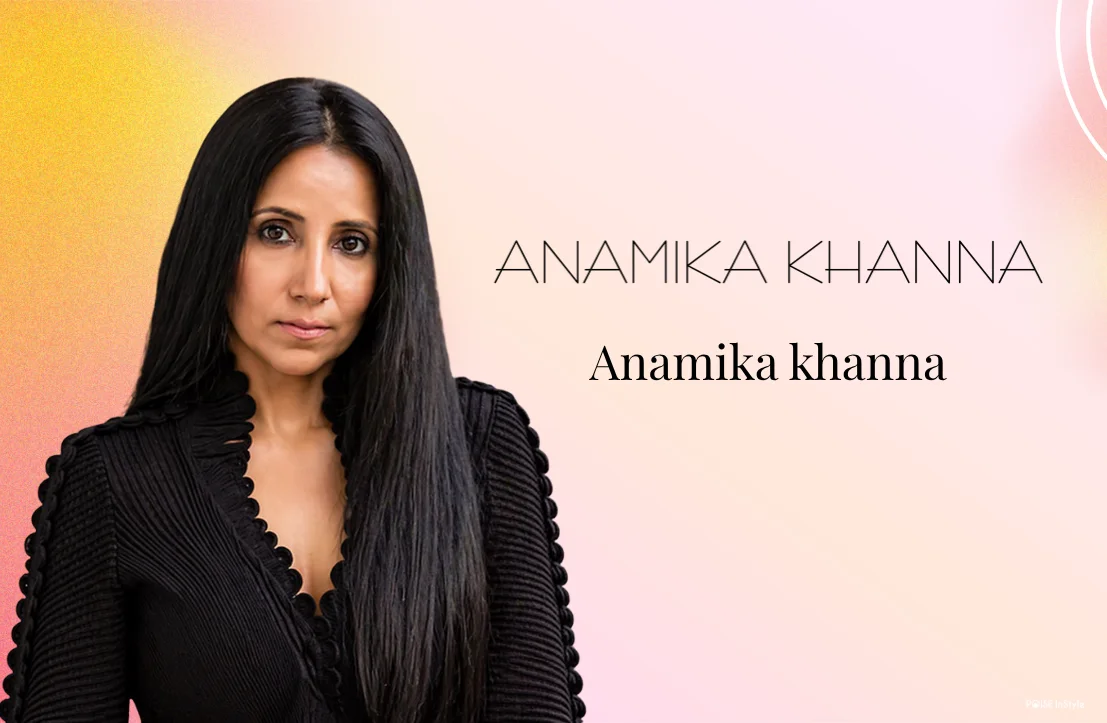
In a fashion world often driven by fast trends, loud branding, and hyper-structured silhouettes, Anamika Khanna has built a universe that feels almost meditative. Her work doesn’t rely on spectacle; instead, it draws you in slowly- through the way fabric moves, settles, and almost breathes on the body.
For today’s Indian woman- constantly balancing tradition, global exposure, and personal identity- this approach feels deeply relevant. Khanna’s designs are not about dressing for a single moment or occasion. They are about inhabiting a garment, feeling at ease in it, and allowing it to become an extension of self. In many ways, her draped, fluid silhouettes are shaping a new lifestyle habit- where comfort, movement, and emotional connection take precedence over rigid, performative dressing.
The Power of the Drape: Where Fabric Meets Freedom
At the heart of Anamika Khanna’s aesthetic lies the art of draping. While drape has always been integral to Indian clothing, she approaches it with a distinctly modern lens. Her reinterpretations of the sari- through tulip drapes, wavy layers, and dhoti-style pallus- transform a traditional garment into something sculptural yet effortless.
What sets her work apart is the sense of freedom it offers. Her drapes don’t constrain the body; they move with it. Fabric wraps, folds, and flows in a way that feels intuitive rather than engineered. Even heavily embroidered ensembles carry a surprising lightness, allowing the wearer to walk, sit, and exist without discomfort.
This subtle shiftfrom structured to fluidhas quietly influenced how women approach occasion wear. The desire is no longer just to look grand but to feel comfortable and confident while doing so. Khanna’s drapes make that balance possible.
Beyond Tradition: Expanding Silhouettes with Ease
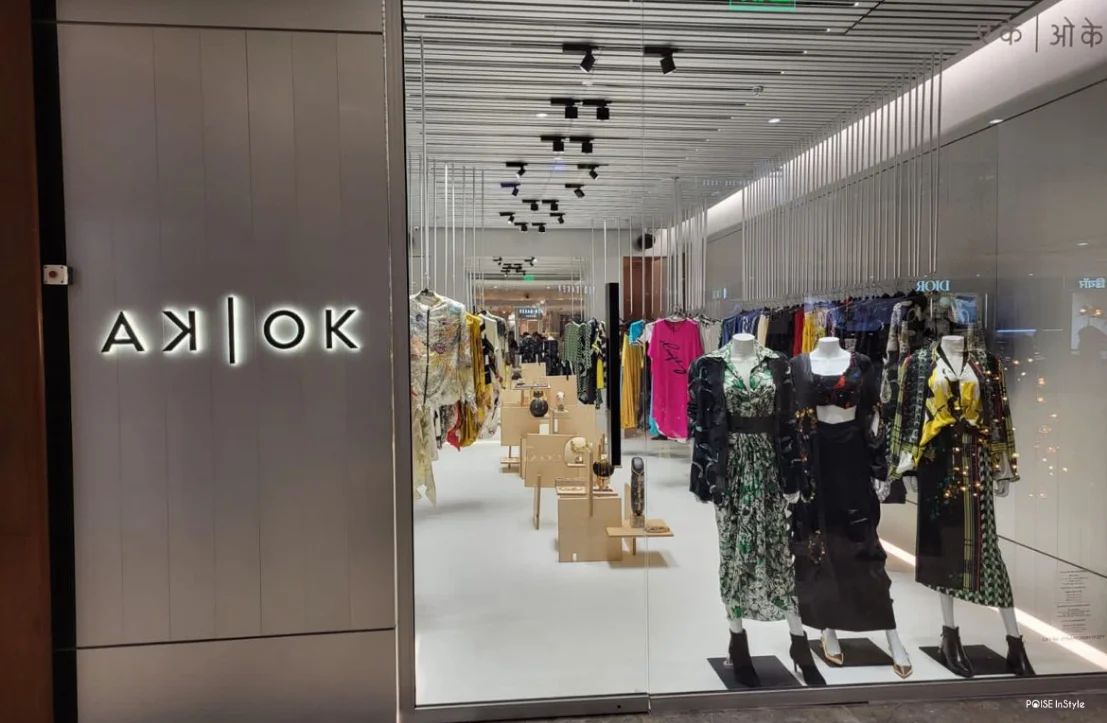
While her saris are iconic, Khanna’s design vocabulary extends far beyond them. Her collections feature capes that float like soft shadows, long jackets that trail with quiet drama, and layered ensembles that blur the line between Indian and Western wear.
These pieces are not just visually striking- they are functional in a way modern wardrobes demand. A long jacket can transform multiple outfits. A draped skirt can be styled differently across occasions. Her use of asymmetry and layering creates garments that evolve with the wearer, rather than being confined to a single look.
This adaptability aligns perfectly with contemporary lifestyle habits. Today’s consumers are not looking for one-time outfits; they want pieces that can be restyled, reinterpreted, and worn across different contexts. Khanna’s designs embrace this need, offering flexibility without compromising on elegance.
Global Silhouettes, Deeply Indian Craft
One of the most compelling aspects of Khanna’s work is her ability to merge global silhouettes with Indian craftsmanship. A piece might resemble a modern blazer or a fluid jumpsuit, but on closer inspection, it reveals intricate handwork- zardozi, chikankari, or delicate embroidery rooted in Indian textile traditions.
This fusion speaks directly to a generation that refuses to be boxed into one identity. The modern Indian woman is as comfortable in a sari as she is in a tailored suit, and Khanna’s designs reflect that fluidity.
Her presence on international platforms like Paris Fashion Week further reinforces this global appeal. Yet, her work never loses its Indian soul. It carries the richness of heritage while embracing the ease of contemporary design- a balance that few designers achieve with such consistency.
Rethinking Occasion Wear for a New Era
Indian occasion wear has long been associated with excess- heavy fabrics, rigid structures, and garments that are often worn once and stored away. Khanna challenges this narrative with a more thoughtful approach.
Her bridal and festive pieces are designed to be versatile. A draped lehenga can be paired with different tops. A cape can be layered over multiple outfits. Her garments encourage repetition and reinvention, making them more sustainable in the long run.
This shift is particularly significant for younger consumers who value both aesthetics and practicality. Investing in a piece that can be worn multiple ways feels more aligned with modern sensibilities than owning something purely ornamental.
Khanna’s designs, therefore, are not just about beauty- they are about utility, longevity, and mindful consumption.
The Rise of Emotional and Sensory Dressing
What truly sets Anamika Khanna apart is her focus on how clothing feels. In an age dominated by social media visuals, her work invites a more sensory experience. The softness of fabric, the ease of movement, the subtle weight of embroidery- all contribute to how a garment is experienced, not just seen.
This idea of “emotional dressing” is gaining traction. Women are increasingly choosing clothes that align with how they want to feel- comfortable, confident, and authentic- rather than simply how they want to appear.
Khanna’s silhouettes naturally support this shift. They do not impose a shape; they adapt to the body. They do not demand perfection; they celebrate individuality. This makes them accessible to a wide range of body types and personal styles, reinforcing the idea that fashion should serve the wearer, not the other way around.
A Lifestyle Shift Toward Fluidity and Ease
The influence of Khanna’s work extends beyond fashion into broader lifestyle habits. Her designs reflect a movement away from rigidity-whether in clothing, identity, or daily living.
Today’s lifestyle is fluid. Work, social life, and personal expression often overlap. Clothing needs to keep up with this pace, offering comfort without compromising on style. Khanna’s draped silhouettes fit seamlessly into this narrative.
They allow women to transition effortlessly from one setting to another, from formal to relaxed, from traditional to modern. This versatility makes her work not just relevant but essential in a world where adaptability is key.
Why Her Aesthetic Continues to Resonate
Anamika Khanna’s enduring appeal lies in her ability to stay rooted while evolving. She does not chase trends; she refines her core philosophy-drape, movement, and craftsmanship- season after season.
In a market saturated with fast fashion and fleeting aesthetics, this consistency feels refreshing. Her designs offer something deeper: a sense of calm, a connection to craft, and a celebration of individuality.
They remind us that fashion does not have to be loud to be powerful. It can be soft, fluid, and quietly transformative.
The Last Word
Anamika Khanna has not just created a signature style; she has influenced how modern Indian women think about dressing itself. Her draped silhouettes encourage a shift- from structured to fluid, from excessive to intentional, from performative to personal.
In a world that often demands more- more embellishment, more drama, more noise- her work stands as a gentle reminder that sometimes, less structure and more movement is exactly what we need.
And perhaps that is her greatest contribution: giving women the freedom to feel as good as they look, without compromise.

