
Why personal branding has become non-negotiable today
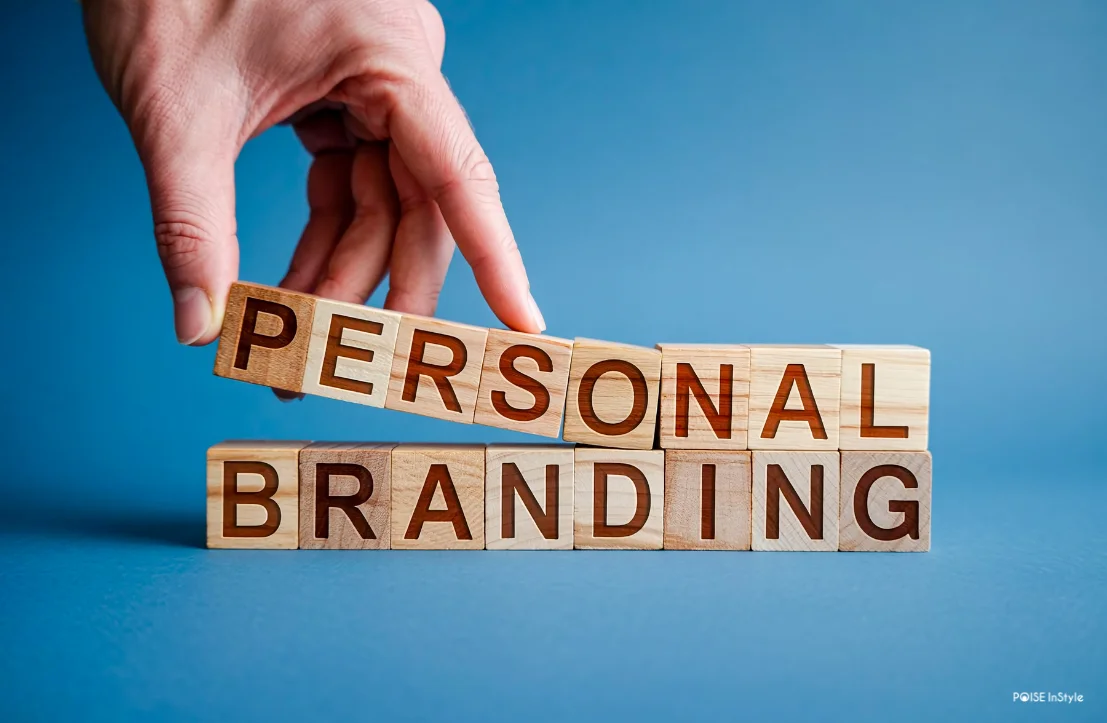
Personal branding is no longer a career “extra” or a social media trend– it is the foundation of how opportunities find you in 2026. Whether you are a student stepping into the job market, a working professional aiming for growth, a freelancer looking for clients, or a founder building visibility, your digital presence often speaks before you do.
Before a recruiter reads your resume or a client replies to your pitch, they will likely check your LinkedIn profile, scroll your Instagram, or Google your name. In those few seconds, they form an impression about your credibility, clarity, and value. That impression is your personal brand.
But contrary to popular belief, personal branding is not about pretending to be someone else or constantly posting online. It is about making your real strengths visible, understandable, and memorable. It is the process of shaping how people experience your work, your voice, and your identity in a crowded digital world.
What personal branding actually means (and what it doesn’t)
At its simplest, personal branding is how you define and communicate your professional identity. It answers three silent questions people always have about you: What do you do? Who do you help? And why should I trust you?
A strong personal brand makes these answers obvious without you needing to explain them repeatedly. It turns confusion into clarity and visibility into opportunity.
What it is not is equally important. Personal branding is not about exaggerating achievements, copying influencers, or building a polished fake version of yourself. In fact, in today’s digital space, authenticity is more powerful than perfection. People connect more with clarity and honesty than with overly curated images.
When done right, personal branding helps you become recognizable for something specific– whether that is your design style, your writing voice, your leadership approach, or your expertise in a niche field.

Step 1: Start with clarity before visibility
Before you think about logos, posts, or platforms, personal branding starts with self-awareness. You need to understand what you actually want to be known for.
Ask yourself simple but revealing questions. What work feels natural to me? What problems do I enjoy solving repeatedly? What skills do people already trust me for? And if I had to be remembered for one thing in my career, what would it be?
These questions help you identify your core positioning. This is the intersection of what you are good at, what you enjoy doing, and what others value in you.
Once this becomes clear, you can shape a simple personal brand statement. It does not need to be complicated. Something like: I help [specific audience] achieve [specific outcome] using [your skill or expertise]. This statement becomes your internal guide for everything you communicate online and offline.
Without this clarity, your personal brand becomes scattered. With it, everything starts to align naturally.
Step 2: Build a simple but strong online presence
You do not need to be active everywhere to build a strong personal brand. In fact, trying to be on every platform often leads to inconsistency. Instead, focus on building a clean and intentional presence where it matters most.
For most professionals, LinkedIn acts as the primary foundation. It is your digital resume, portfolio, and networking space combined. Your profile should clearly show what you do, who you help, and what impact you create. A strong headline and a well-written “About” section can instantly change how people perceive you.
Alongside LinkedIn, having a simple portfolio website or a one-page personal site can make a huge difference. It does not need to be complex– just enough to showcase your work, achievements, and contact details. This creates credibility, especially when clients or recruiters want to validate your expertise.
Finally, choose one additional platform where your audience naturally exists. It could be Instagram for creatives, X for thinkers, or YouTube for educators. The goal is not volume– it is consistency and alignment.
Step 3: Create a consistent voice and identity
One of the most underrated parts of personal branding is consistency in how you sound and how you look online. People remember patterns, not randomness.
Your tone of voice is the personality of your writing and communication. It can be warm and conversational, structured and professional, or bold and opinionated. What matters is that it stays consistent across platforms so people recognize you instantly.
Visual identity plays a similar role. This does not mean you need professional design skills. Even small choices like a consistent profile photo style, similar colors in your posts, or a clean layout can create familiarity over time.
When your voice and visuals align, your personal brand becomes easier to recognize, even in crowded feeds.
Step 4: Focus on value instead of self-promotion
A strong personal brand is not built by talking about yourself all the time. It is built by consistently sharing value that others can learn from, relate to, or apply.
This could mean sharing lessons from your work, breaking down complex ideas into simple insights, or talking about your experiences–both successes and failures. People connect deeply with honesty and learning journeys because they reflect real life, not just highlight reels.
One of the most effective approaches is to “show your thinking.” Instead of only sharing outcomes, share how you reached them. This makes your content more relatable and positions you as someone who understands their craft deeply.
Over time, this shifts how people see you. You are no longer just a name online– you become a voice of insight in your space.
Step 5: Build visibility through connection, not just content
Personal branding is not a one-time setup. It is a continuous process of showing up.
Engagement plays a huge role in this. Commenting thoughtfully on others’ posts, participating in discussions, and responding to messages helps you stay visible without constantly creating new content.
In today’s digital ecosystem, people rarely remember isolated posts– they remember consistent presence. When your name appears regularly in meaningful conversations, your visibility grows naturally.
Networking also becomes easier when your personal brand is clear. People know what you do, so they know when to reach out to you.
Step 6: Let your personal brand evolve as you grow
A strong personal brand is not fixed. It evolves as you evolve. Your skills improve, your interests shift, and your goals change over time. Your personal brand should reflect that growth, not restrict it.
Updating your profile, refining your messaging, and shifting your focus areas is not inconsistency– it is maturity. It shows that you are actively growing instead of staying static.
Think of your personal brand as a living narrative rather than a static label. The more honest and aligned it is with your current self, the more powerful it becomes.
Why personal branding is your long-term career advantage
In a world where attention is limited and competition is global, personal branding gives you something powerful: clarity in the noise.
It helps you stop chasing opportunities randomly and instead attract opportunities that align with your strengths. It builds trust before conversations even begin. And most importantly, it gives you control over how your professional identity is perceived.
For women professionals, creators, and leaders especially, personal branding becomes a form of visibility ownership. It ensures your work, voice, and impact are not lost in the background but seen, understood, and remembered.
At its core, personal branding is not about becoming someone new. It is about becoming unmistakably clear about who you already are– and letting the world see it too.

