
What if the old notebooks lying in your drawer could do more than just take up space? What if yesterday’s newspaper or those unused printouts could quietly become a child’s next school notebook?
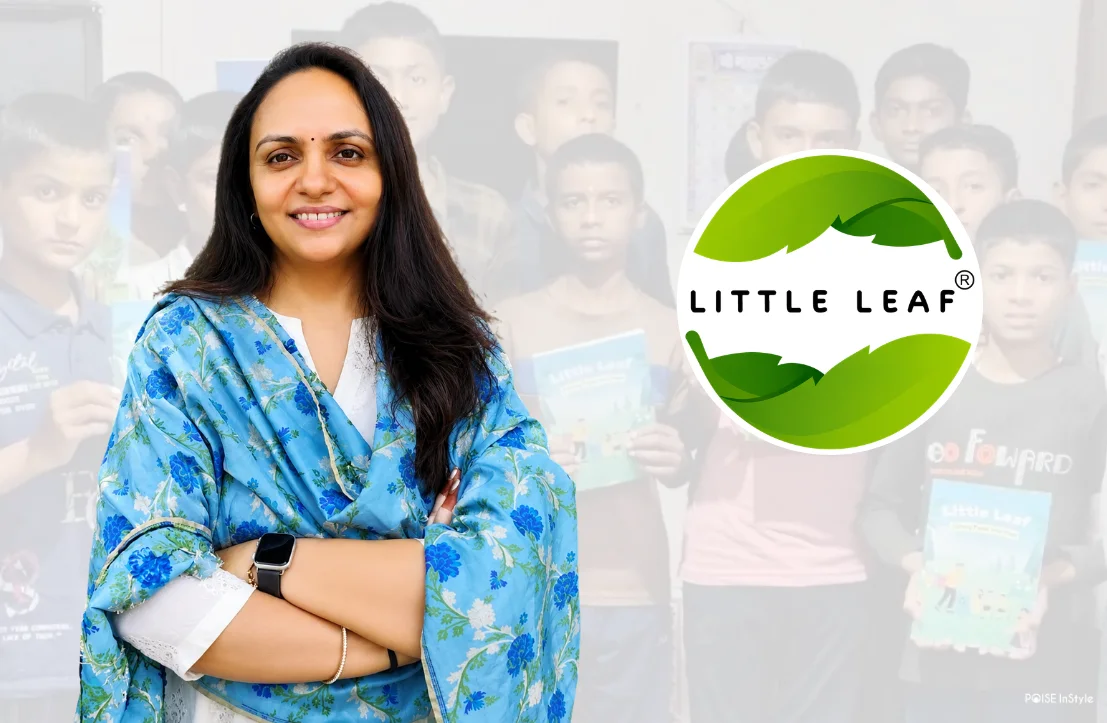
That’s the simple yet powerful idea behind Little Leaf, a Pune-based initiative redefining how we look at waste. At a time when sustainability often feels like a complex lifestyle shift, Little Leaf proves that change can begin with something as basic and familiar—as paper.
The Problem We Don’t Notice Enough
Paper waste doesn’t feel alarming the way plastic does. It’s softer, biodegradable, easier to ignore. But the volume? That’s where the concern lies.
From homes to offices, we generate paper waste daily– often without a second thought. Old notebooks, courier receipts, newspapers, rough sheets, most of it ends up mixed with general waste, making recycling harder and less effective.
At the same time, there’s a parallel reality. Many children across India still lack access to basic school supplies. Something as simple as a notebook can become a barrier to consistent learning.
Little Leaf steps right at the intersection of these two issues– and connects them in the most practical way.
A Simple Idea That Feels Almost Obvious
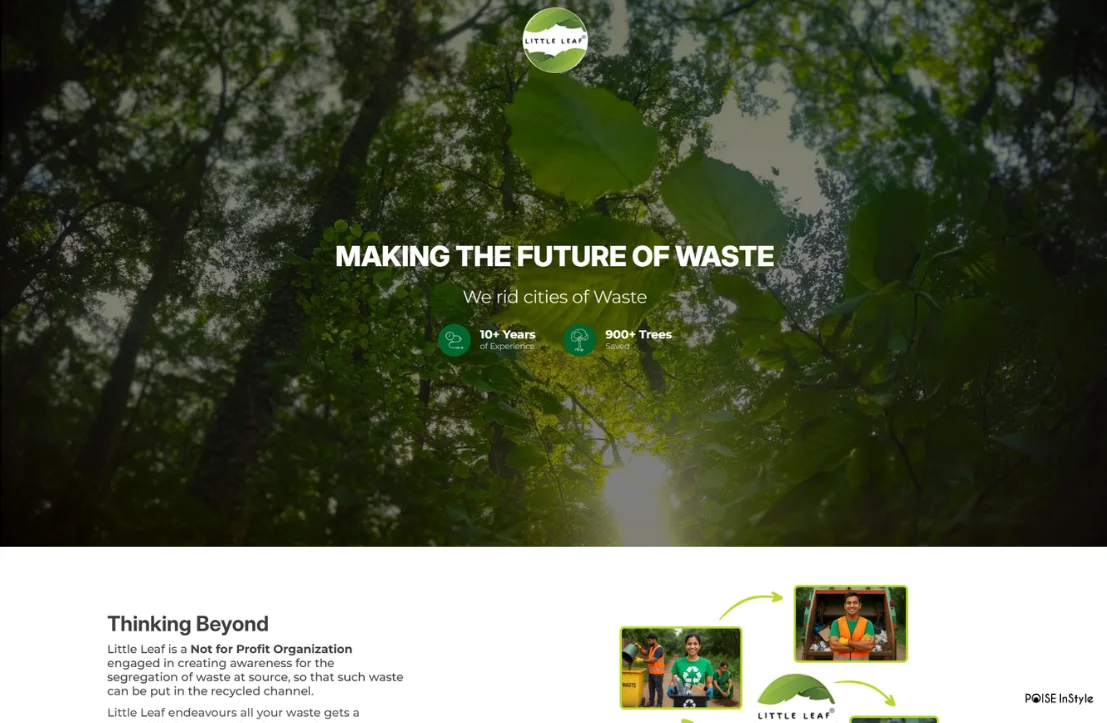
Little Leaf collects used paper and transforms it into new notebooks. These notebooks are then either donated to children in need or made available to people who want to support a more circular way of living.
No heavy technology. No complicated systems. Just a clear loop:[Text Wrapping Break]waste → reuse → education.
And somehow, that simplicity is exactly what makes it powerful.
From Waste to Something Meaningful
There’s a quiet beauty in how this model works. What we usually consider clutter is treated as raw material.
A half-used notebook isn’t discarded– it’s repurposed.[Text Wrapping Break]A stack of newspapers isn’t waste– it’s potential.
That shift in perspective is important. Because sustainability isn’t always about buying better products. Sometimes, it’s about seeing value in what already exists.
Why This Model Actually Works
A lot of sustainability initiatives struggle because they demand too much change from people. Little Leaf does the opposite– it fits into your existing routine.
You don’t need to overhaul your lifestyle. You just need to pause before throwing something away.
What makes it effective:
- It uses materials already available in homes and offices
- It solves a real, visible problem (lack of notebooks)
- It keeps participation simple and accessible
- It creates a direct emotional connection between action and impact
That last point matters more than we think. When people can see where their waste goes, they’re far more likely to stay consistent.
Education, Through the Lens of Dignity
A notebook might seem like a small thing, but for many children, it’s essential. It’s where lessons are written, ideas are explored, and progress is tracked.
By providing notebooks free of cost, Little Leaf does more than just recycle paper– it supports education in a meaningful way.
It helps:
- Reduce the financial burden on families
- Ensure children have basic learning tools
- Build confidence in classrooms
And most importantly, it does this without making it feel like charity. It feels like access. Like inclusion.
The Power of Circular Thinking
At its core, Little Leaf is not just about recycling– it’s about changing how we think.
Instead of a linear cycle (use → throw), it introduces a circular one (use → reuse → return).
That mindset shift is what sustainability really needs.
A few ways to adopt this thinking in everyday life:
- Keep used paper separate from other waste
- Avoid tearing or damaging reusable sheets
- Reuse pages for rough work before discarding
- Support initiatives that extend product life cycles
These are small habits. But over time, they redefine consumption.
Making Sustainability Feel Practical
One of the biggest barriers to sustainable living is the perception that it’s expensive or inconvenient. Little Leaf quietly breaks that myth.
You don’t need to buy eco-friendly alternatives to start. You don’t need a curated aesthetic or a “green” lifestyle overhaul.
You just need to:
- Be mindful of what you discard
- Recognize the value in everyday materials
- Choose reuse over convenience
That’s what makes this initiative so relatable– it meets people where they are.
A Ripple Effect Beyond Paper
What starts as a simple act of saving old paper leads to bigger changes.
People begin to question other habits:
- Can this be reused instead of replaced?
- Do I really need to throw this away?
- Is there a better way to manage waste at home?
That’s how sustainable behaviour grows. Not through pressure, but through awareness.
Little Leaf becomes more than a recycling initiative– it becomes a trigger for more conscious living.
Why This Matters Right Now
We’re in a phase where sustainability is no longer optional. But at the same time, it can feel overwhelming– too many problems, too many solutions, too much information.
What Little Leaf offers is clarity.
It shows that:
- Change doesn’t have to be complicated
- Impact doesn’t have to be large-scale to matter
- Everyday actions can still be meaningful
And that’s a message worth holding onto.
Final Thoughts: Rethinking What We Throw Away
Little Leaf doesn’t rely on innovation in the traditional sense. It doesn’t introduce something new– it reintroduces something we’ve overlooked.
The value of paper.[Text Wrapping Break]The importance of reuse.[Text Wrapping Break]The connection between waste and opportunity.
It reminds us that sustainability isn’t always about doing more. Sometimes, it’s about doing better with what we already have.

